




Pilot aquaponics system advances as an alternative for environmental education and livelihoods in Tela Bay
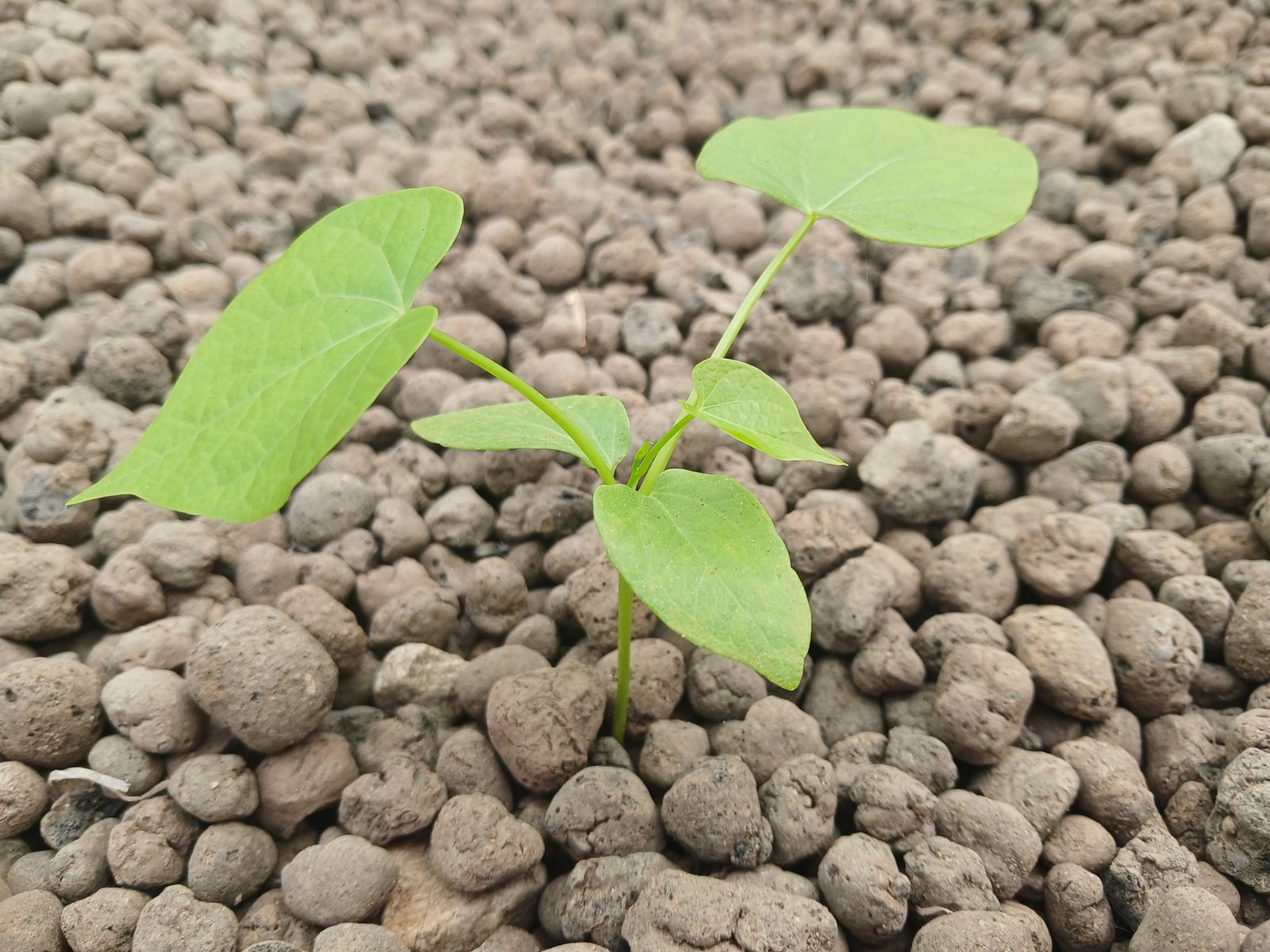
Photo: Daniela Sansur
On July 9, 2026, Fundación para la Protección de Lancetilla, Punta Sal y Texiguat (PROLANSATE) inaugurated the pilot aquaponics system established at Lancetilla Botanical Garden in Tela, Atlántida, Honduras. The system aims to demonstrate how food production can be linked to environmental education and new livelihood opportunities, particularly during the fishing closed season.
Aquaponics combines fish farming with plant cultivation, using nutrients in the water to support both processes. At Lancetilla Botanical Garden, this experience will provide an opportunity to gain practical knowledge about growing vegetables such as sweet peppers, tomatillos, and chile cabro, as well as harvest times and the parameters needed to monitor water quality.
This pilot is part of the project “Empowering Local Stakeholders, Communities, and Staff to Promote the Sustainable Management of the Blanca Janeth Kawas Fernández (PNBJKF) and Punta Izopo (PNPI) Protected Areas,” implemented by PROLANSATE under Protection of Maritime Resources in Central America III (Phase III), with the support of German Cooperation through KfW.
The initiative brings together several strategic partners. CORAL developed the aquaponics cultivation method and provided the pilot system as part of its collaboration with the initiative. Lancetilla Botanical Garden provides the physical space and labor for its construction, as well as the conditions for environmental education and interpretation activities. GOAL, an international humanitarian and development organization, seeks to replicate these systems at the community and business scales. Phase III of MAR Fund provides resources for their replication and installation in communities.
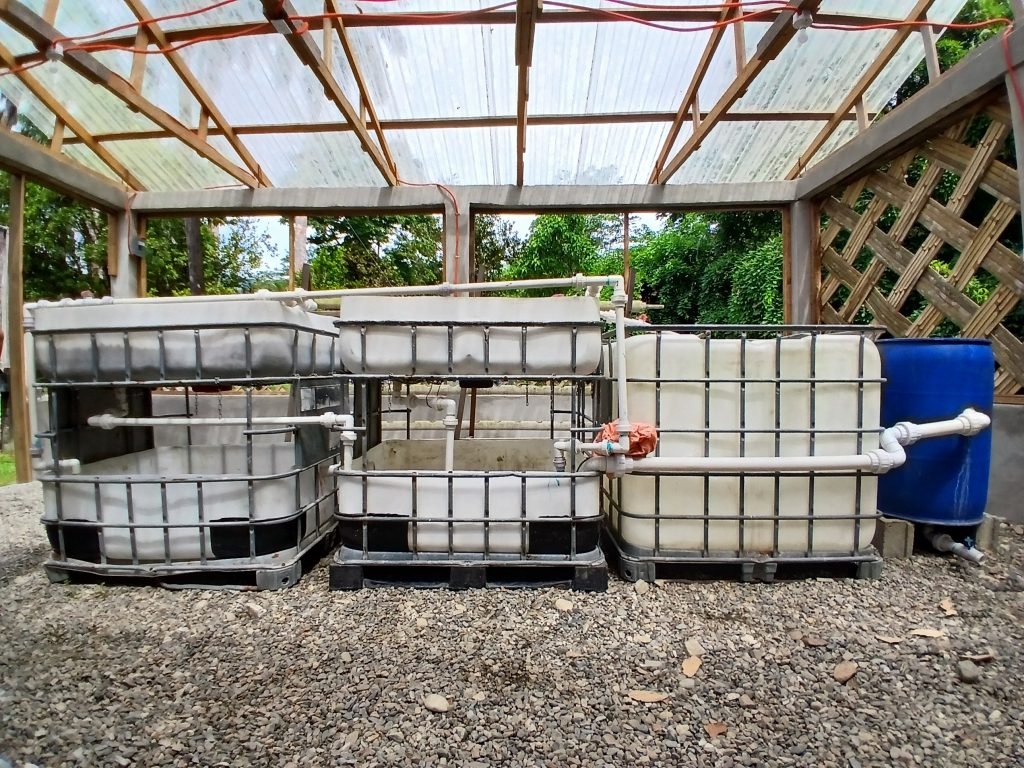
Photo: Daniela Sansur
The aquaponics system is now operational and is currently being prepared to receive its first batch of fingerlings, fish that will be raised within the facility. Aquaponics can help reduce pressure on the natural resources of protected areas by providing new livelihood opportunities, including household consumption, sales, and the creation of new entrepreneurial opportunities for local residents during the fishing closed season.
“The aquaponics system installed at the Botanical Garden serves as a demonstration pilot open to the public. Based on this experience, five systems will initially be installed in interested communities, accompanied by training and technical assistance. These systems are expected to directly benefit between 30 and 40 people, representing approximately 10 families. We hope this pilot will generate interest among other donors and organizations to support its replication and expansion at the local, community, or industrial level” — Ángel Fong, Project Coordinator.
The pilot experience paves the way for its potential replication in communities located within the area of influence of the Marine and Coastal Protected Areas of Tela Bay. Specifically, these include the Tela Bay Marine Wildlife Refuge, Punta Izopo National Park, and Blanca Jeannette Kawas National Park.
Lancetilla Botanical Garden also has a dedicated space for environmental education and training activities and is working on a guide and interpretive materials that will be useful both for the technical staff operating the system and for local stakeholders.
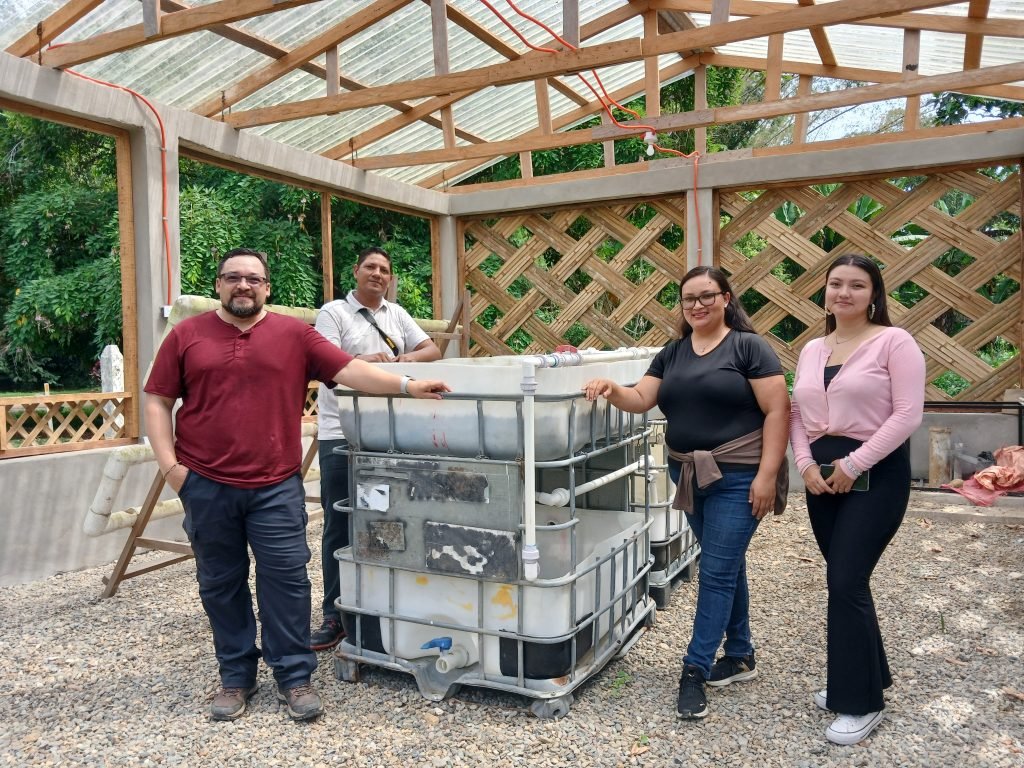
Photo: Daniela Sansur
Tags: KfW Development Bank, Phase III, Protection of Marine Resources in Central America III Protection of Maritime Resources in Central America III