


Central America and Mexico advance in developing a regional roadmap for the conservation and restoration of coastal wetlands
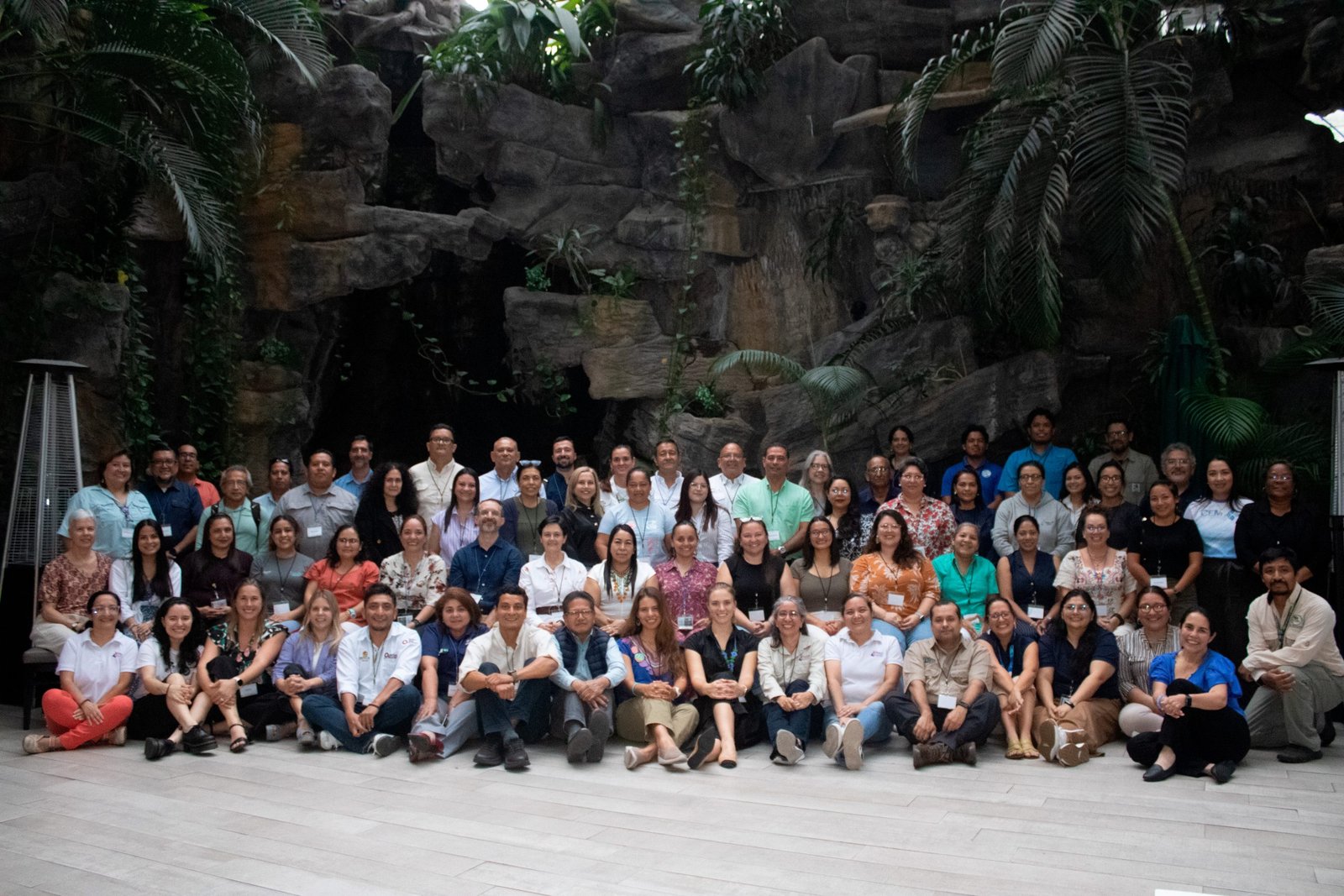
From August 31 to September 3, 2026, a regional meeting took place in Guatemala City to advance the development of a roadmap for the conservation, restoration, and sustainable use of coastal wetlands, with a particular focus on mangroves and seagrass meadows.
Ramsar Convention focal points from Central America and Mexico, or their representatives, participated in the meeting, alongside representatives of national and local governments; environmental, fisheries, forestry, and protected areas authorities and institutions; academic institutions; nongovernmental organizations; local communities; and Indigenous Peoples. Participants came from Mexico, Belize, Guatemala, El Salvador, Honduras, Costa Rica, Panama, and Cuba.
Mangroves and seagrass meadows are vital components of interconnected coastal systems. They support biodiversity, protect coastlines, sustain local livelihoods, and strengthen resilience to climate change. A regional roadmap offers an opportunity to connect national efforts, build on existing knowledge and experience, and establish shared priorities while accounting for the distinct characteristics of the Caribbean and Pacific coasts.
The roadmap development process unfolded in two stages, integrating international commitments under the Ramsar Convention, the Convention on Biological Diversity, and the United Nations Framework Convention on Climate Change, alongside the knowledge and contributions of key actors from the region. The first took place on August 31, with a working session involving Ramsar Convention focal points from Central America and Mexico. The session reviewed countries’ commitments related to mangroves and seagrass management and explored their alignment with the Ramsar Strategic Plan 2025–2034, as well as relevant resolutions adopted under the Convention.
The second stage, held from September 1 to 3, was a regional workshop that brought together 72 participants to exchange knowledge and experiences related to the conservation, restoration, and research of mangroves and seagrass meadows. Regional priorities were identified for the co-design of a roadmap, beginning with the mapping of mangrove and seagrass conservation and restoration projects in the region. Participants identified the main gaps, challenges, and needs in the region across five thematic areas (Conservation and Restoration, Monitoring and Research, Governance and Public Policies, Participation and Safeguards, and Outreach and Communication). Based on these results, solutions, lines of action, and implementation tactics were defined for 2030 and 2035. In addition, participants identified the current sources of financing in each country, as well as potential sustainable financing mechanisms.
Building on this exchange and the collective work of participants, the roadmap document will be developed over the coming months. It will consolidate the information gathered and highlight regional strengths, opportunities for collaboration, and shared efforts to conserve and restore mangroves and seagrass meadows.
As a next step, three to five priority topics will be identified for joint engagement by Ramsar Convention focal points in regional and international forums, including the Ramsar COP16, scheduled to take place in Panama in 2028. The process will also create opportunities for continued knowledge exchange among countries and for sharing progress and results from this regional initiative.
MarineGEO, The Pew Charitable Trusts, and MAR Fund thank all participants for their contributions to this collaborative process. Their knowledge, commitment, and willingness to work together are essential to advancing a future in which coastal wetlands are conserved, restored, and sustainably managed for the benefit of people and nature.
The meeting was organized and funded by the Smithsonian Institution’s MarineGEO initiative, The Pew Charitable Trusts, and MAR Fund, with the support of German Cooperation through KfW, under the project Protection of Maritime Resources in Central America III – Phase III.