



MAR Fund – Protecting the Mesoamerican Reef
  • HOME
  • ABOUT US
    • WHAT IS MAR FUND?
    • MESOAMERICAN REEF
    • MISSION & VISION
    • FOUNDING MEMBERS
    • ORGANIZATIONAL STRUCTURE
    • BOARD OF DIRECTORS
    • THE TEAM
    • CONTACT US
    • JOB OPPORTUNITIES
    • MAR NEWS
  • VICTORIES
    • GENERAL
    • MEXICO
    • BELIZE
    • GUATEMALA
    • HONDURAS
  • PROGRAMS
    • SAVING OUR PROTECTED AREAS
      • SMALL GRANTS PROGRAM
      • CONSERVATION OF MARINE RESOURCES IN C. A. PROJECT
      • PROTECTION OF MARITIME RESOURCES IN
        CENTRAL AMERICA III
      • RE-GRANTING WITH OAK FOUNDATION
    • FISHING FOR THE FUTURE
      • MAR FISH
      • FISH REPLENISHMENT ZONES (FRZ)
      • LIONFISH
    • CLIMATE CHANGE
      • REEF RESCUE INITIATIVE
      • MANGROVES
      • GAGGA
    • BELIZE MARINE FUND
    • CLEAN WATER FOR THE REEF
    • CROSS-CUTTING: MAR+INVEST
  • NETWORKS
    • MAR CONNECTIVITY NETWORK
    • REGIONAL MANATEE WORKING GROUP
    • REEF RESTORATION NETWORK
  • DONORS
  • ALLIES
  • LIBRARY
    • ANNUAL REPORTS
    • UPDATES ON ACTIVITIES
    • MAR FUND DOCUMENTS
    • TECHNICAL FACT SHEETS
    • MBRS
    • GENDER AND FISHING
    • RESPONSIBLE COASTAL SOCIETIES
    • MAREA
    • LA OLA
    • VIDEOS
  • DONATE
    • CASE FOR SUPPORT
    • GIVING
      OPPORTUNITIES
    • DONATE NOW
    • GLOBAL GIVING
  • WEBINARS
    • WEBINARS 2026
    • WEBINARS 2025
    • WEBINARS 2024
    • WEBINARS 2023
    • WEBINARS 2022
  • ESMS SYSTEM
  • HOME
  • ABOUT US
    • WHAT IS MAR FUND?
    • MESOAMERICAN REEF
    • MISSION & VISION
    • FOUNDING MEMBERS
    • ORGANIZATIONAL STRUCTURE
    • BOARD OF DIRECTORS
    • THE TEAM
    • CONTACT US
    • JOB OPPORTUNITIES
    • MAR NEWS
  • VICTORIES
    • GENERAL
    • MEXICO
    • BELIZE
    • GUATEMALA
    • HONDURAS
  • PROGRAMS
    • SAVING OUR PROTECTED AREAS
      • SMALL GRANTS PROGRAM
      • CONSERVATION OF MARINE RESOURCES IN C. A. PROJECT
      • PROTECTION OF MARITIME RESOURCES IN
        CENTRAL AMERICA III
      • RE-GRANTING WITH OAK FOUNDATION
    • FISHING FOR THE FUTURE
      • MAR FISH
      • FISH REPLENISHMENT ZONES (FRZ)
      • LIONFISH
    • CLIMATE CHANGE
      • REEF RESCUE INITIATIVE
      • MANGROVES
      • GAGGA
    • BELIZE MARINE FUND
    • CLEAN WATER FOR THE REEF
    • CROSS-CUTTING: MAR+INVEST
  • NETWORKS
    • MAR CONNECTIVITY NETWORK
    • REGIONAL MANATEE WORKING GROUP
    • REEF RESTORATION NETWORK
  • DONORS
  • ALLIES
  • LIBRARY
    • ANNUAL REPORTS
    • UPDATES ON ACTIVITIES
    • MAR FUND DOCUMENTS
    • TECHNICAL FACT SHEETS
    • MBRS
    • GENDER AND FISHING
    • RESPONSIBLE COASTAL SOCIETIES
    • MAREA
    • LA OLA
    • VIDEOS
  • DONATE
    • CASE FOR SUPPORT
    • GIVING
      OPPORTUNITIES
    • DONATE NOW
    • GLOBAL GIVING
  • WEBINARS
    • WEBINARS 2026
    • WEBINARS 2025
    • WEBINARS 2024
    • WEBINARS 2023
    • WEBINARS 2022
  • ESMS SYSTEM

MAR News

Seagrass Survey Provides Key Information for the Conservation of Coastal Ecosystems in Tela Bay
MAR FundGeneral, Honduras, MAR News04/08/20260

Photos: Daniela Sansur

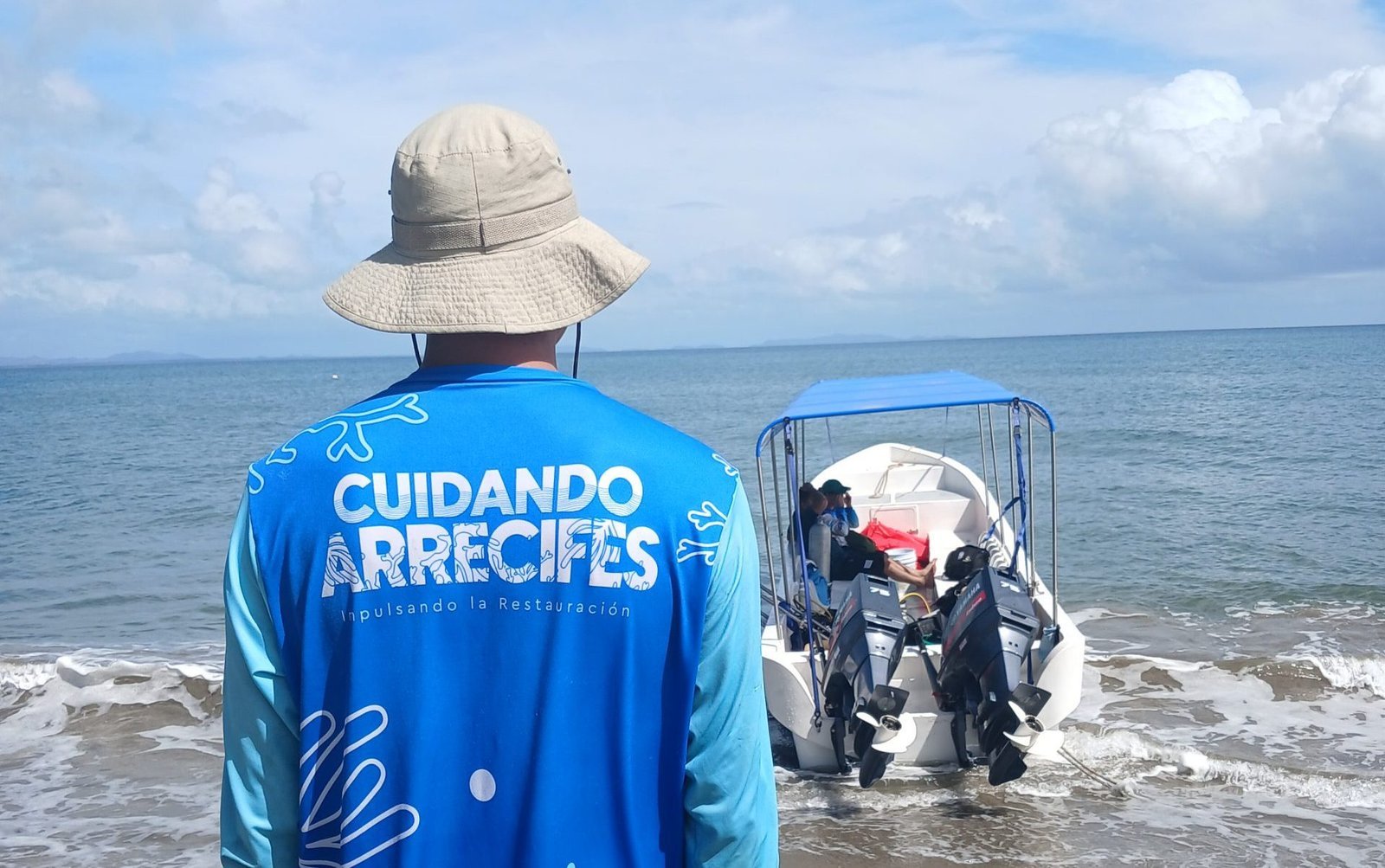
On June 24, 2026, the Association of Friends of the Tela Reefs (AMATELA), as part of the Protection of Maritime Resources in Central America III (Phase III) project, with support from the German Cooperation through KfW, conducted a seagrass survey in Tela Bay to generate information that contributes to the monitoring and conservation of these ecosystems. The activity took place in Punta Izopo National Park as part of the management actions for the Tela Bay Marine Wildlife Refuge.

https://marfund.org/en/wp-content/uploads/2026/08/AMATELA-Jun-2026-Ingles.mp4

During the survey, a new site with seagrass presence was identified. One of the most significant findings was the possible presence of Halophila decipiens, a species that has not previously been reported in any of the three marine and coastal protected areas of Tela Bay. Additional sampling will be required to confirm the species’ identification.

The project’s initial goal was to identify 0.8 hectares of seagrass; however, by 2025, a total of 11.8 hectares had already been documented, and this new survey will complement the existing information.

These findings expand knowledge of the region’s biodiversity and the national distribution of this species, providing valuable information to guide management measures, such as identifying suitable anchoring zones, and to update the distribution map of seagrass meadows in Tela Bay. The newly identified sites will also be incorporated into ongoing monitoring and surveillance efforts.
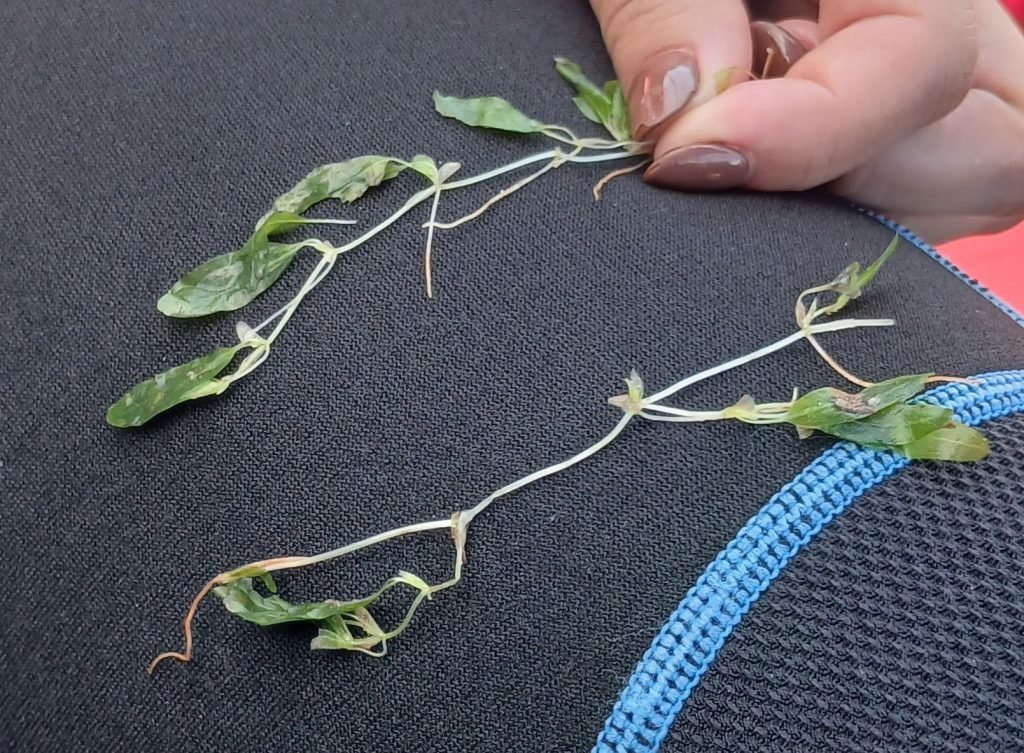
Possible identification of the species Halophila decipiens.

The survey involved seven members of the co-management teams from the Tela Bay Marine Wildlife Refuge and Punta Izopo National Park, with technical support from the LifeWeb Initiative/Institute of Forest Conservation (ICF) and PROLANSATE Foundation, as well as support from the Municipality of Tela and Tela Marine.

The progress achieved during the survey was also made possible by AMATELA’s enhanced capacity to carry out fieldwork. With support from Phase III, the organization now has its own boat, trailer, and diving equipment, enabling more efficient field expeditions and follow-up activities in protected areas. These resources help ensure the continuity of monitoring and management efforts in priority conservation sites.

Protecting seagrass meadows helps conserve essential habitats for fish and invertebrates that use these ecosystems as shelter and nursery grounds. Many of these species also depend on mangroves and coral reefs throughout their life cycle, making the conservation of these interconnected ecosystems essential for sustaining the fisheries upon which many coastal communities rely.

In Tela Bay, AMATELA’s work represents an important step toward improving knowledge of these ecosystems and supporting informed conservation decisions that protect the natural resources sustaining the region’s biodiversity and local livelihoods.
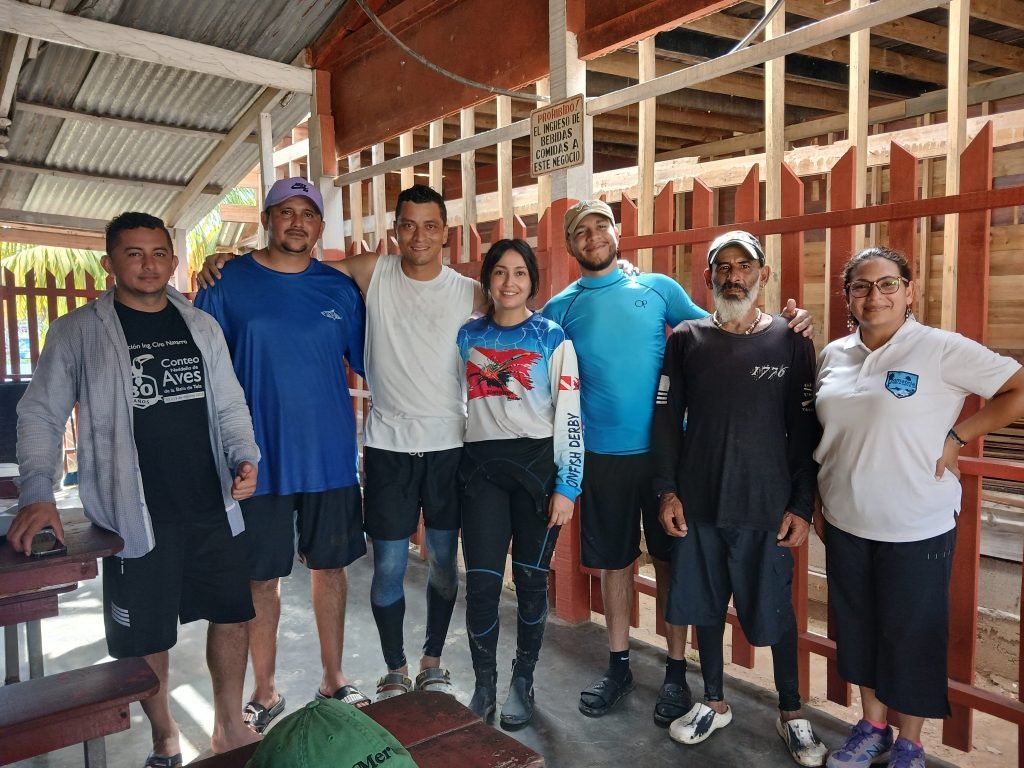
The seven members of the co-management of the Tela Bay Marine Wildlife Refuge and the Punta Izopo National Park who participated in the prospecting.


Project for the Protection of Maritime Resources in Central America III – Phase III

Phase III supports the conservation and sustainable use of natural resources in and between selected coastal marine protected areas of the Mesoamerican Reef System by improving management effectiveness and restoring key ecosystems—including mangroves, coral reefs, seagrasses, and fisheries. It also supports sustainable economic alternatives for local communities. The expected outcome is long-term ocean health through regional cooperation and innovation.

Tags: KfW Development Bank, Phase III, Remove term: Protection of Marine Resources in Central America III Protection of Maritime Resources in Central America III

You might also like

  • Phase III in action: strengthening coastal-marine conservation and community well-being in Guatemala and Belize - 10/03/2026
  • MAR Fund announces partnership for innovative insurance design - 08/06/2021

When the Reef Calls: Underwater Guardians

Download the book “The Women of the MAR – Positive impact on a relevant scale”

Download the book “The Sea in Bildo’s eyes – A story for the fisheries of Belize”

Download the book “Written with Blue Ink 2”

Download the book “Written with Blue Ink”

Recent posts

  • Seagrass Survey Provides Key Information for the Conservation of Coastal Ecosystems in Tela Bay
  • When the Reef Calls: Underwater Guardians
  • The Mesoamerican Reef Insurance Programme enters its sixth placement and expands to cover two new sites in Mexico
  • MAR Leadership at 15: Strengthening MAR Leaders through Collaboration and Innovation
  • Growing Future Ocean Guardians: Youth Leadership and Community Action Strengthen Conservation in Northern Belize

Categories

  • Announcements
  • Belize
  • General
  • Guatemala
  • Honduras
  • MAR News
  • Mexico
  • Sin categoría
Copyright © 2025 MAR Fund.
20 years protecting Mesoamerican Reef (2005-2025).