




When the Reef Calls: Underwater Guardians
By Liz Herrera / Photos courtesy of Irving Chávez
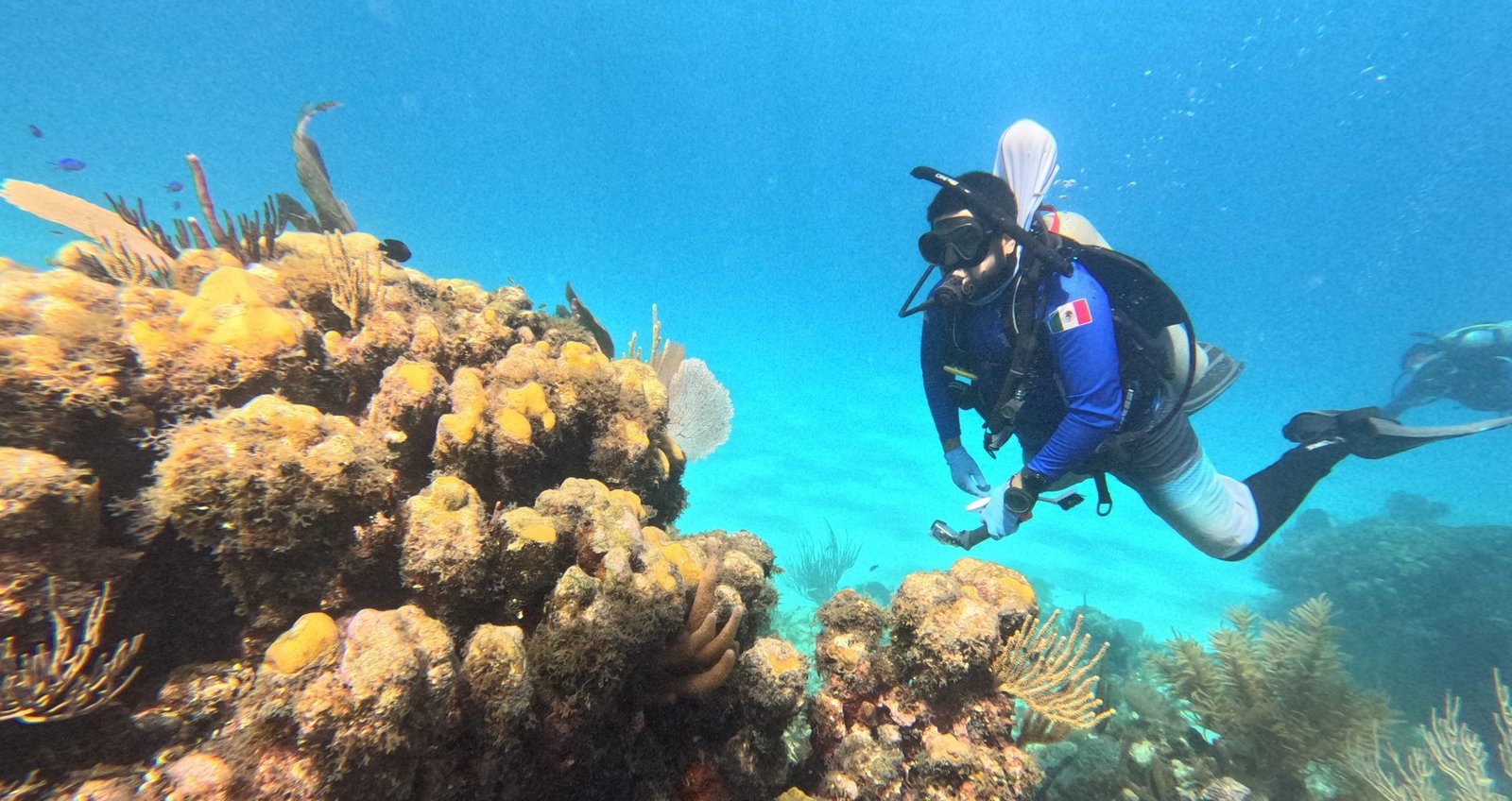
Some people start their day in front of a computer; others, in a classroom. And then there are those who, from time to time, find their office several meters below the sea. When work takes Irving Chávez to the waters of the Mexican Caribbean, the landscape changes completely. The blue of the ocean replaces the walls and desk of an office.
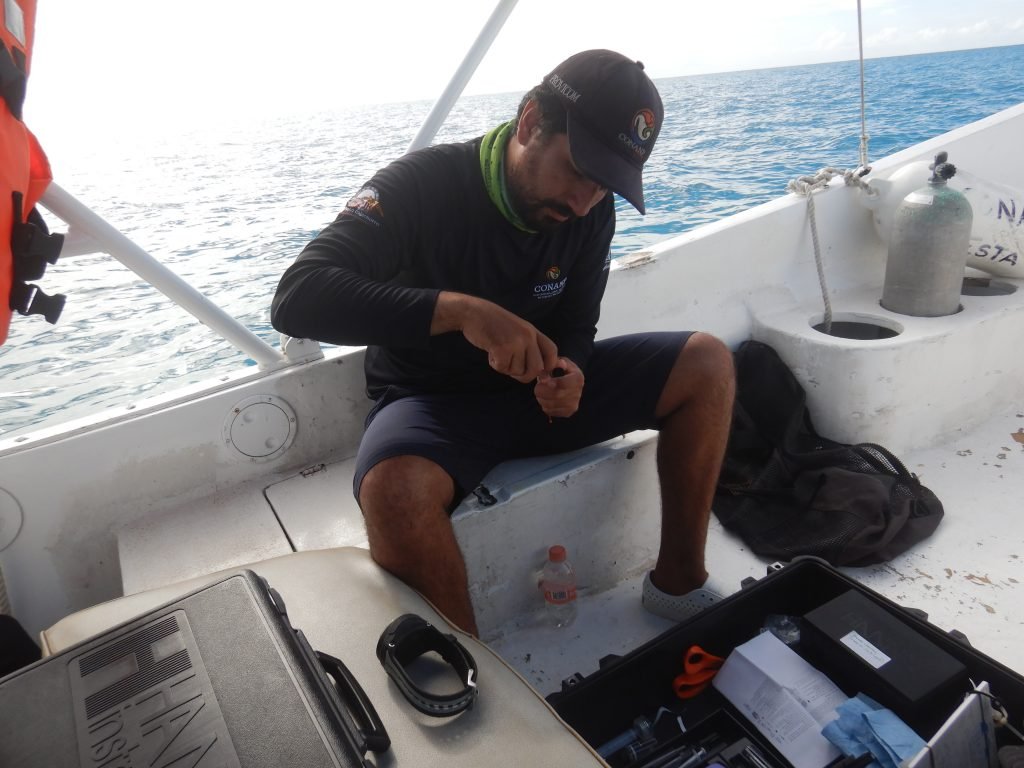 Irving is a biologist and currently serves as Subdirector of the Banco Chinchorro Biosphere Reserve, part of Mexico’s National Commission for Protected Natural Areas (CONANP). In 2021, he trained as a Poststorm Reef Response Brigade member, and since 2025, he has also served as an instructor for these brigades.
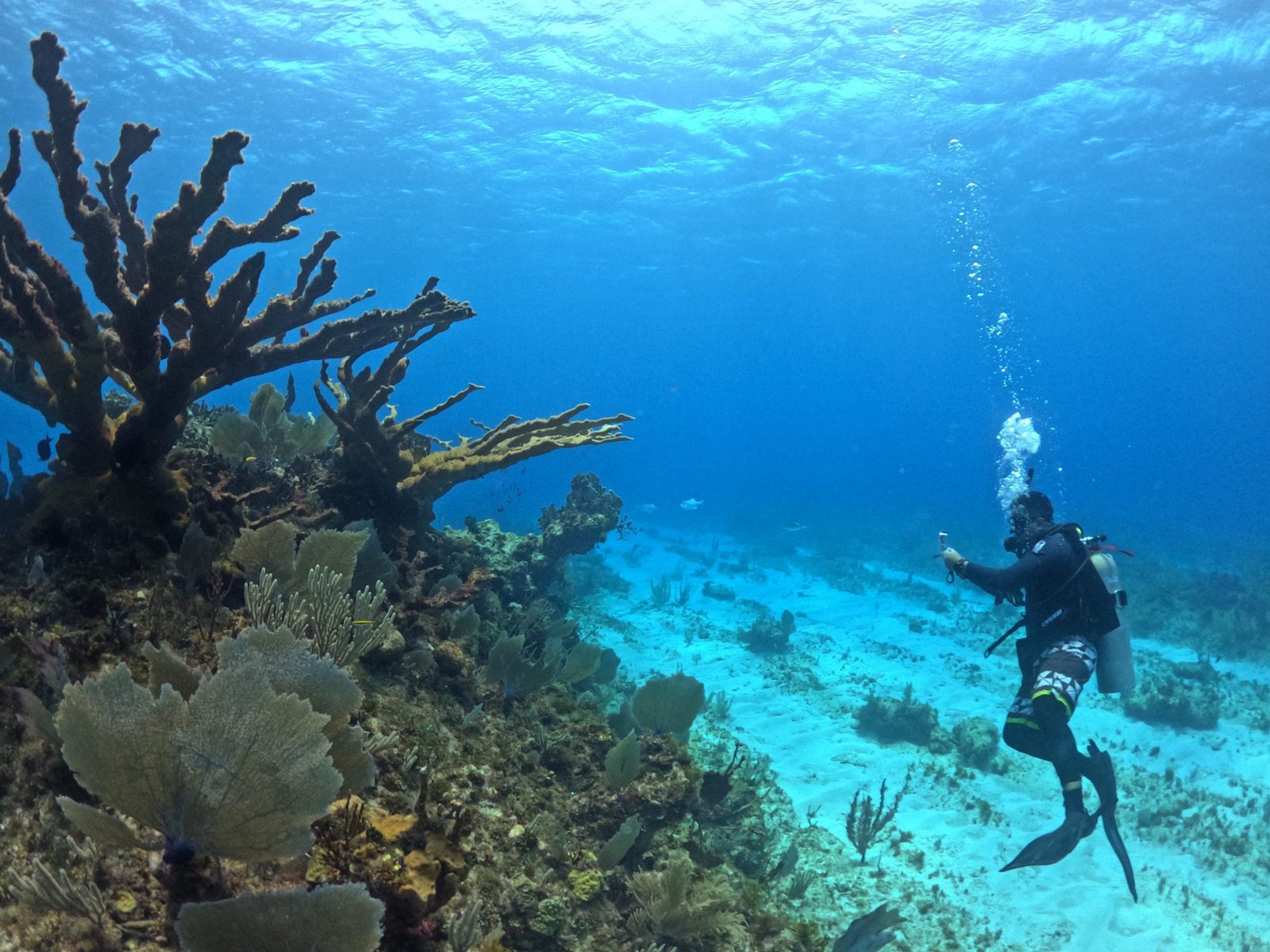
On the surface, the scene may seem serene, but those who work on the reefs know that every dive presents its own conditions and challenges, which require preparation, coordination, and experience. Poststorm Reef Response brigades are groups of highly trained divers who serve as the first line of response to protect and restore these ecosystems when they face threats or emergencies caused by hurricanes, storms, groundings, or other events.
“A brigade member can be anyone—a waiter, a tour guide, a fisherman, a soldier, an artisan, a park ranger, or even the director of a Protected Natural Area. What unites us is a shared ideal: the value of life in all its forms, and in particular, that of coral reefs. This awareness of the past, present, and future makes us guardians of the ocean.”
The First Responders
For decades, the image of a park ranger was limited to beige-uniformed officers patrolling jungles. However, post storm reef response brigade members are also part of this force dedicated to care and conservation: they are guardians of the ocean. They watch over, monitor, respond to emergencies, and help restore ecosystems.
Their work takes on special significance in the Atlantic’s largest transboundary reef, the Mesoamerican Reef (MAR), shared by Mexico, Belize, Guatemala, and Honduras. The health of this ecosystem is closely linked to the well-being, food security, and livelihoods of millions of people, making its conservation a shared responsibility.
It is in this context that the Mesoamerican Reef Fund (MAR Fund) runs the Reef Rescue Initiative (RRI), providing support to strengthen the local and regional capacities of the organizations and institutions responsible for effectively responding to the threats facing coral reefs, thereby helping to maintain the resilience of this natural heritage.
Every day is different. Patrol duties include monitoring underwater nurseries, but their true role as “first responders” comes into play after hurricanes. Time is of the essence in increasing the corals’ chances of survival after a storm or extreme weather event. If dislodged coral fragments are not relocated soon, they will die.
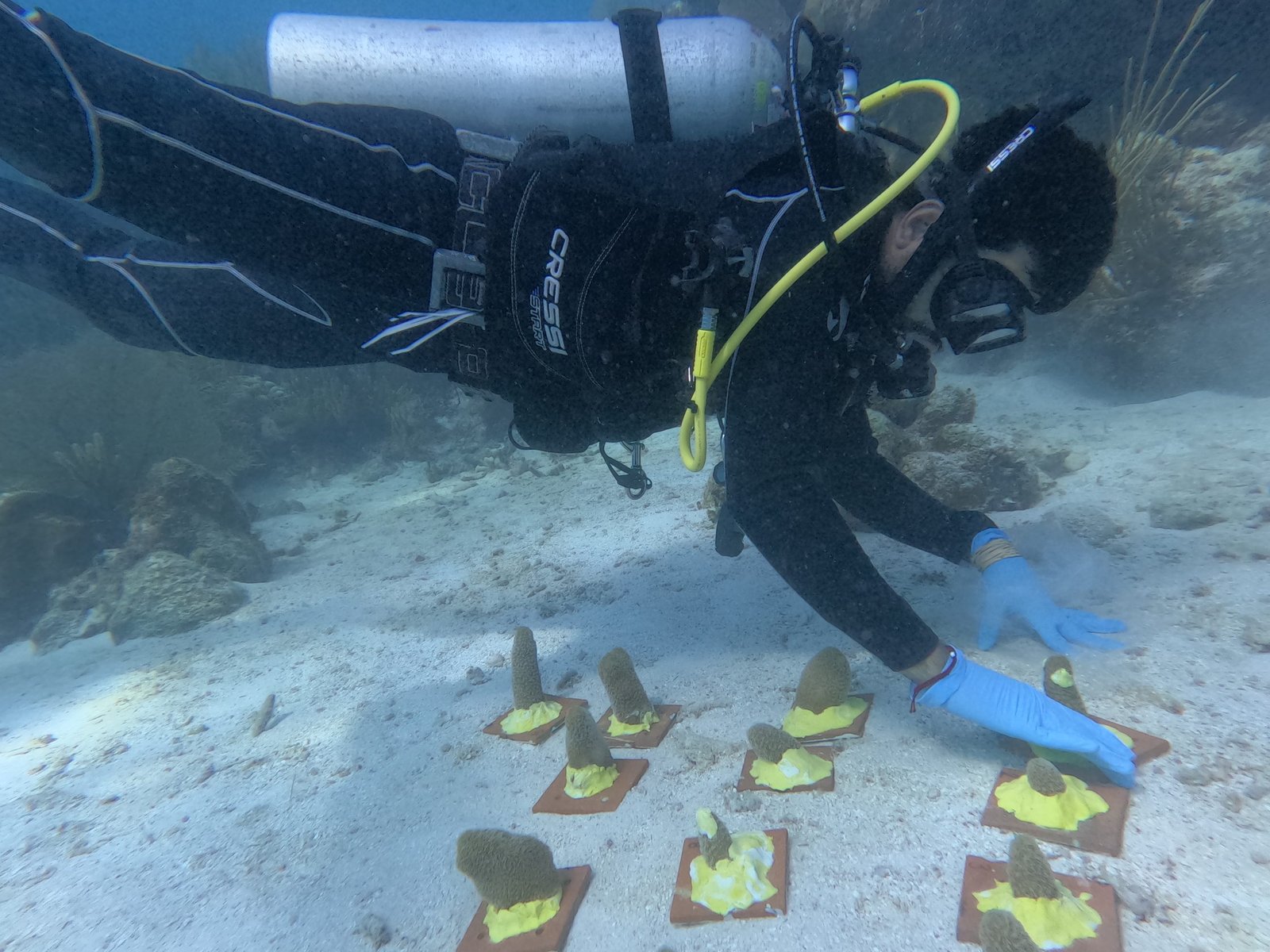
A brigade member’s work combines scientific knowledge, practical experience, and keen observational skills. It is a race against time that intensifies in the wake of various weather events. Using specialized protocols, they document damage, stabilize colonies, relocate fragments, secure the corals to the substrate with specialized materials, and monitor their recovery for months.
In 2023, Irving’s team faced one of its most critical moments: the arrival of white syndrome (a tissue-loss disease affecting stony corals) at the Banco Chinchorro Biosphere Reserve.
“It was one of the saddest moments of my life, watching reefs teeming with life disappear due to the sudden death of a large number of corals. The responsibility and the uncertainty of not knowing whether what we were doing would work caused us a great deal of frustration. But thanks to the commitment of the volunteers and the support of MAR Fund (through the RRI Emergency Fund), we managed to rescue more than 90 fragments of pillar coral (Dendrogyra cylindrus), 10 of which are still alive in our underwater nurseries, and that gives us a glimmer of hope.”
The reef does not exist in isolation from humans. Its condition directly affects fishing, tourism, storm protection, and the livelihoods of thousands of families living along the SAM coastline. By restoring coral colonies, the volunteers maintain natural barriers that dissipate up to 90% of wave energy, protecting the coastlines from erosion and storm damage. Their work not only conserves marine biodiversity; it also safeguards fisheries, tourism, and the livelihoods on which the regional economy depends in the face of the growing impacts of climate change.
Expanding our Capacity to Protect
Becoming an instructor means much more than just earning a diploma. It means preparing new generations of people capable of responding when the reef needs it most. Irving sums it up this way:
“My participation in this course to become a brigade instructor has been a valuable opportunity, as it allows me to help progressively increase the response capacity of our brigades, and it also opens the door to involving diverse sectors of society in the care and conservation of the reefs in southern Quintana Roo. Furthermore, this experience has strengthened me in various ways—from organization to the implementation of environmental and social safeguards—reaffirming collaborative work as a key element. It will always be the best way to address emerging challenges and generate positive results.”
Caring for the reef doesn’t depend solely on those underwater, but on building capacities that will remain in the communities for many years: “More than specific knowledge and skills, what holds the greatest value in reef restoration is the sense of community. There may be a great deal of knowledge, but it’s useless if it isn’t shared. You can have many skills, but they’re useless without commitment, respect, or teamwork,” he says. Conservation is also strengthened by sharing knowledge.
The People Behind the Restoration
For Irving, being a field worker is a privilege, but it also involves sacrifices. Spending several days away from home, adapting to conditions at sea, and not knowing for sure when he’ll be able to return are all part of a reality shared by many park rangers and conservationists. Now, as he prepares to become a father for the first time, those absences take on new meaning. “It makes me appreciate even more the commitment of those who temporarily leave their families to protect biodiversity, here and anywhere on the planet,” he reflects.
Conserving a reef begins long before entering the water: it starts when people understand the value of this ecosystem and the connections between its health and our own quality of life. When the ocean needs help, there are people ready to respond, and behind every coral colony regaining its color, there is a face marked by a diving mask.
The RRI aims to increase the resilience of the MAR and of the environmental services it provides. Our main approaches are Continuous Restoration and Emergency Response. The RRI has established and structured regional collaborative efforts to advance:
• MAR Insurance Programme • Emergency Response Protocols • Emergency Fund • Reef Response Capacities • Small Grants Program • Reef Restoration Network
Tags: Iniciativa de Rescate de Arrecifes (RRI)