




Phase III in action: strengthening coastal-marine conservation and community well-being in Guatemala and Belize
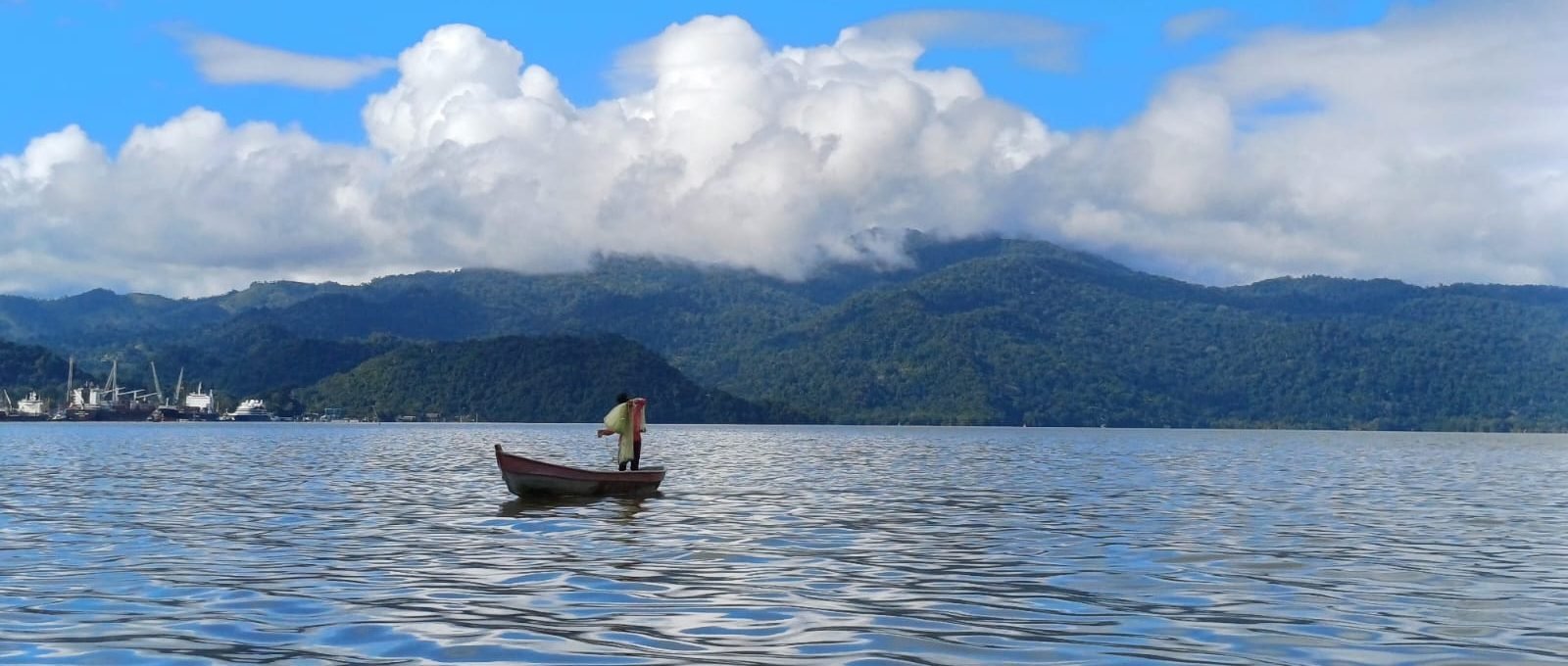
Photo: MAR Fund
Between December 8 and 16, a technical mission of the project “Protection of Maritime Resources in Central America III” (Phase III) confirmed tangible progress in coastal-marine conservation, as well as the strengthening of local capacities in Guatemala and Belize. The visit included the participation of KfW Development Bank and MAR Fund staff, who held exchanges with seven beneficiary organizations and visited the Cerro San Gil Springs Reserve in Guatemala and the Sapodilla Cayes Marine Reserve in Belize.
Phase III is financed by the Federal Republic of Germany through KfW. Its objective is the conservation and sustainable use of natural resources in and between selected coastal marine protected areas of the Mesoamerican Reef System (MAR). To achieve this goal, the project promotes actions aimed at improving management and conservation conditions of natural resources in these areas, supports sustainable use measures with the participation of local communities, and strengthens cooperation among key stakeholders involved in the conservation of the MAR’s biodiversity.
Guatemala: strengthening the management of protected areas with community participation
In the department of Izabal, Phase III drives a more integrated and strategic management of coastal-marine protected areas, strengthening inter-institutional coordination and community participation. The reactivation of the Protected Areas Co-managers Table is consolidated as a key space for joint decision-making and regional planning.
This progress was highlighted during the exchange with the National Council of Protected Areas (CONAP in Spanish) for the Northeast region, during which it was emphasized how the approved project for CONAP will complement the actions implemented by the Foundation for Eco-development and Conservation (FUNDAECO in Spanish) and Defensores de la Naturaleza Foundation (FDN in Spanish).
In the Cerro San Gil Springs Reserve, FUNDAECO is strengthening area management and community participation. Biological and fisheries monitoring at four sites with potential to become Fish Replenishment Zones (FRZ), along with support for the communities of El Castañal, El Mirador, and El Cedro to protect 500 hectares of forest and 2.9 marine hectares, place these communities as the central axis of resource management. The intention is to sign conservation agreements to formalize community commitment and FUNDAECO’s support.
The sustainable development approach is also beginning to translate into economic benefits. Based on a socioeconomic diagnosis, five productive projects were prioritized that will directly benefit approximately 286 people. Progress in tourism planning at strategic sites such as Ensenada Verde, Casa de la Bahía, and Las Escobas lays the foundation for improving service quality and strengthening the financial sustainability of the protected area.
The scope of FUNDAECO’s work expands with actions to be implemented in the Río Sarstún Multiple Use Area, the Punta de Manabique Wildlife Refuge, and Cayman Crown No-Take Zone. These interventions will contribute to the conservation of 113,233 hectares that include reef, mangrove, and seagrass ecosystems, integrating community participation into ecosystem protection.
At the Bocas del Polochic Wildlife Refuge, FDN’s actions are strengthening both institutional and community response to environmental pressures. The reactivation of the Lake Izabal technical-scientific table, along with improved control and surveillance measures through interinstitutional patrols and the use of drones, reinforces the protection of the protected area. These efforts are complemented by concrete restoration and fire prevention actions, including the activation of a 10-member forest firefighting brigade and the strengthening of a forest nursery with 15,000 plants.
The social impact is reflected in the strengthening of community organizations of fishers and farmers—artisanal fishers from Bocas del Polochic and Guaritas, and farmers from Bocas del Polochic—who have enhanced capacities to participate in forest restoration and improve their livelihoods. Notable support includes the acquisition of a motorized cargo tricycle, managed by the Women’s Committee of the Guaritas community, to facilitate the transport and marketing of fishery products, as well as a dugout canoe (cayuco) for transporting plants and equipment for forest restoration activities along the Polochic River. Furthermore, the reactivation of the Co-managers Table enabled the training of 115 park rangers from Izabal in control and surveillance, establishing a joint roadmap toward 2026.
-
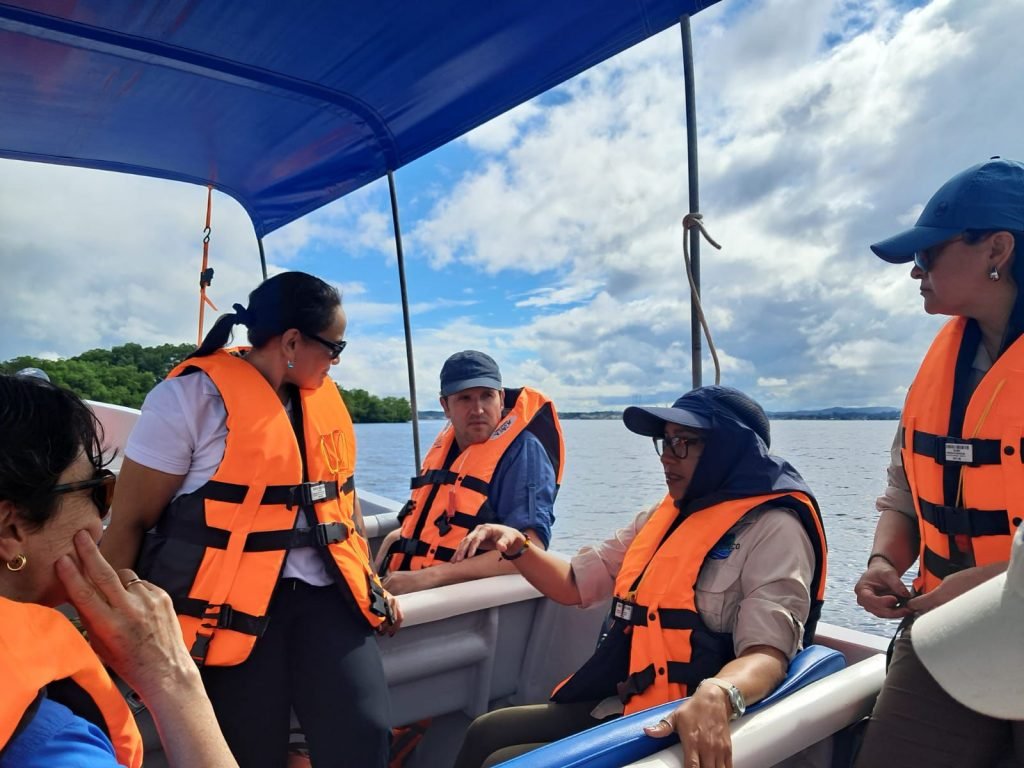
- Visit to a potential fisheries recovery area in Bahía Santo Tomás, Izabal, Guatemala
-

- Meeting in Ensenada Verde, Cerro San Gil Spring Protection Reserve, Izabal, Guatemala.
Belize: experiences that strengthen marine conservation in the SAM
In Belize, the projects supported under Phase III are comprehensively strengthening the management of marine protected areas within the Mesoamerican Reef System (MAR), combining effective control, scientific monitoring, and community engagement.
At the Sapodilla Cayes Marine Reserve, the work of the Toledo Institute for Development and Environment (TIDE) has improved the protection of reefs, commercially important species, and fish spawning aggregation sites by reinforcing control and surveillance, and monitoring and research programs. The identification of 12 sites for the installation of demarcation buoys, along with improvements to operational infrastructure at Hunting Caye—including a solar power system that generates 42.5 kWh and a wastewater treatment system—ensures a permanent and more efficient presence within the protected area.
Community impact stands out as one of the most significant results. The training of four community researchers as PADI certified divers, along with the addition of their own diving instructor, has expanded local capacities for marine monitoring. During the visit, community members shared how their participation in these initiatives—together with the development of sustainable livelihoods such as seaweed soap production and fly fishing, is generating income directly linked to conservation.
At the Gladden Spit & Silk Cayes Marine Reserve, the CAMP BLUE project, implemented by the Southern Environmental Association (SEA), seeks to improve the management effectiveness of the protected area. The rehabilitation of the pier, the improvements to the field station infrastructure at Little Water Caye, and outreach efforts focused on raising awareness among fishers about the importance of the marine reserve and its ecosystems are strengthening both operations and the relationships with user communities. From a technical standpoint, the project has so far conducted six monitoring activities at fish spawning aggregation sites, five fishery landing monitoring exercises, three commercially important species assessments, and one coral reef health survey, generating key information that supports evidence-based management decisions.
The Turneffe Atoll Marine Reserve is implementing some of the most significant innovations in control and surveillance. Thanks to equipment acquired by the Turneffe Atoll Sustainability Association (TASA)—including boats, radar, a drone, and infrared cameras—a continuous 24/7 monitoring system has been established, enabling a timely response to illegal fishing. These enhanced capacities are reflected in 771 effective patrols and in a team of seven better-prepared rangers, whose certifications and specialized training that strengthen the institutional presence within the protected area.
At the same time, systematic monitoring of key species—conch, lobster, and commercially important fish—along with boat-to-boat environmental education activities, contribute to improving compliance with fishing regulations and promoting sustainable practices among the area users
Finally, the Belize Audubon Society (BAS) presented the actions it will implement at the Half Moon Caye and Blue Hole Natural Monuments, aimed at strengthening management, enforcement, monitoring, and environmental education, laying the groundwork for greater local participation in the conservation of these high ecological value ecosystems.
-
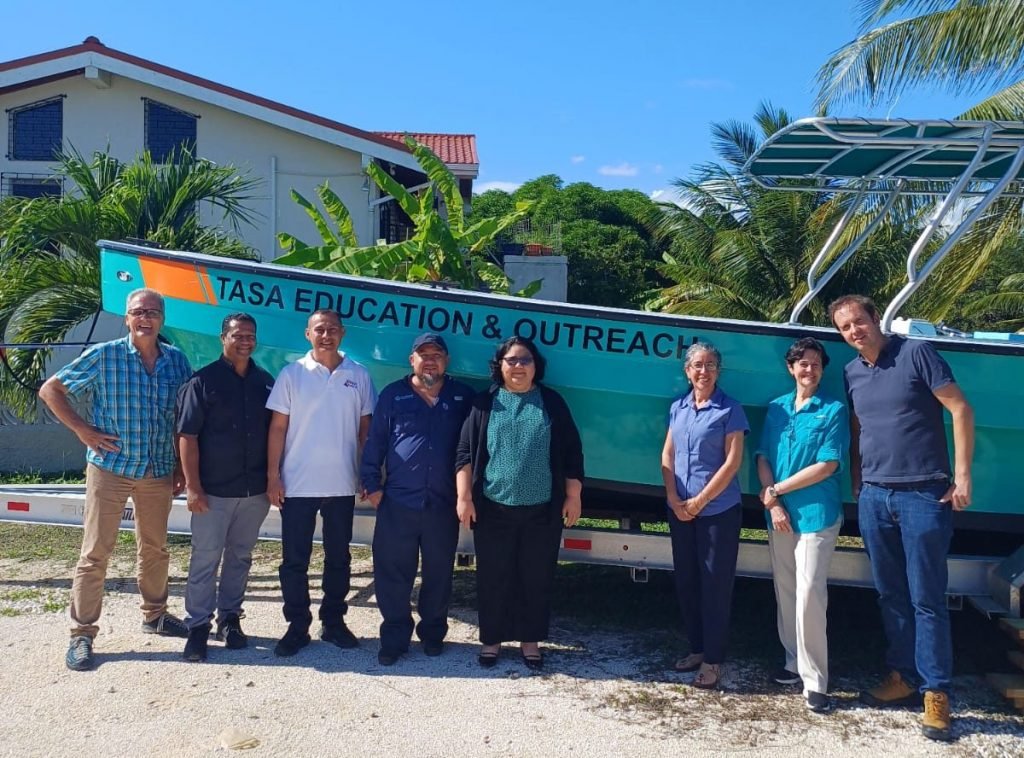
- TASA vessel for education and monitoring, Belize.
-

- Meeting with community members at TIDE offices, Belize.
Regional cooperation with visible impacts
The Phase III technical mission demonstrated that conservation and sustainable use efforts are generating a positive impact on the ground, directly aligning with the Seas and Biodiversity strategic line of the Regional Environmental Framework Strategy (ERAM) of the Central American Commission for Environment and Development (CCAD). By strengthening the management of 113,233 hectares of critical ecosystems in Guatemala and modernizing control and surveillance actions across 287,729 hectares in Belize through the use of radars and drones, these subprojects contribute to the regional goal of preserving the ecological integrity of the MAR.
Likewise, the participation of communities in scientific monitoring and the development of sustainable livelihoods—such as seaweed-based soap production and fly-fishing tourism—demonstrate a participatory governance model that promotes community resilience and the sustainability of fisheries resources. These results reaffirm the commitment of German Cooperation and KfW, MAR Fund and the 31 protected areas benefiting from the project, to continue promoting—through coordinated efforts—healthy ecosystems, regenerative economies, and resilient communities across the MAR.
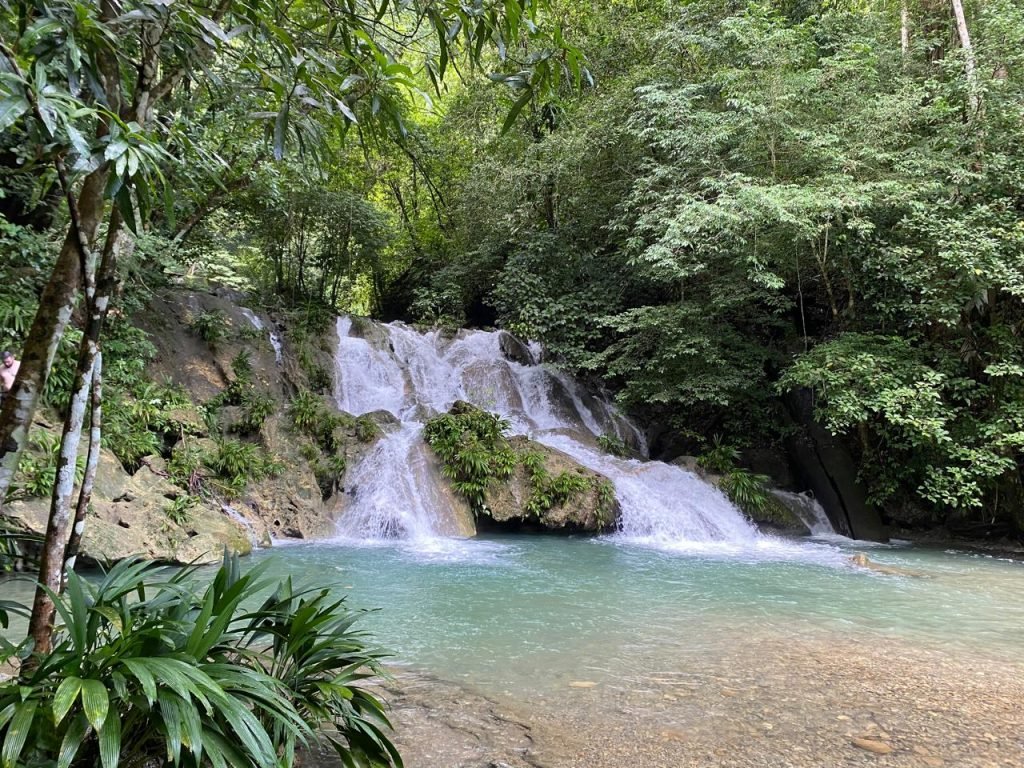
Photos: MAR Fund
Tags: KfW Development Bank, Phase III, Protection of Marine Resources in Central America III