


How Women Turn Artisanal Fishing into Opportunities for Their Communities
The Other Key Players in Fishing:
How Women Turn Artisanal Fishing into Opportunities for Their Communities
Text: Liz Herrera
Photos courtesy of Dayani Rodríguez
At the market, a customer picks out a fish, asks the price, and completes the purchase in a matter of minutes. A transaction takes place; the fish leaves the sea and ends up on the plate. But behind every fish are hours of work to clean, preserve, transport, and find the right buyer—a process in which women play an important, though often unseen, role.
Behind every fish fillet, every seafood product we consume, there is a vast human story. A story that also speaks to the Mesoamerican Reef System (MRS), because the way fish reach the markets is directly linked to the livelihoods of coastal communities and to reef conservation.
For Dayani Rodríguez, a native of the village of Barra del Motagua in Omoa, Honduras, fishing is part of her family history. From childhood, she learned from her father the various tasks involved in this activity.
“I’ve been fishing since I was 12 years old… my father was a fisherman, and he taught us how to clean fish, refrigerate them, and sell them. For as long as I can remember, we’ve been selling fish products.”
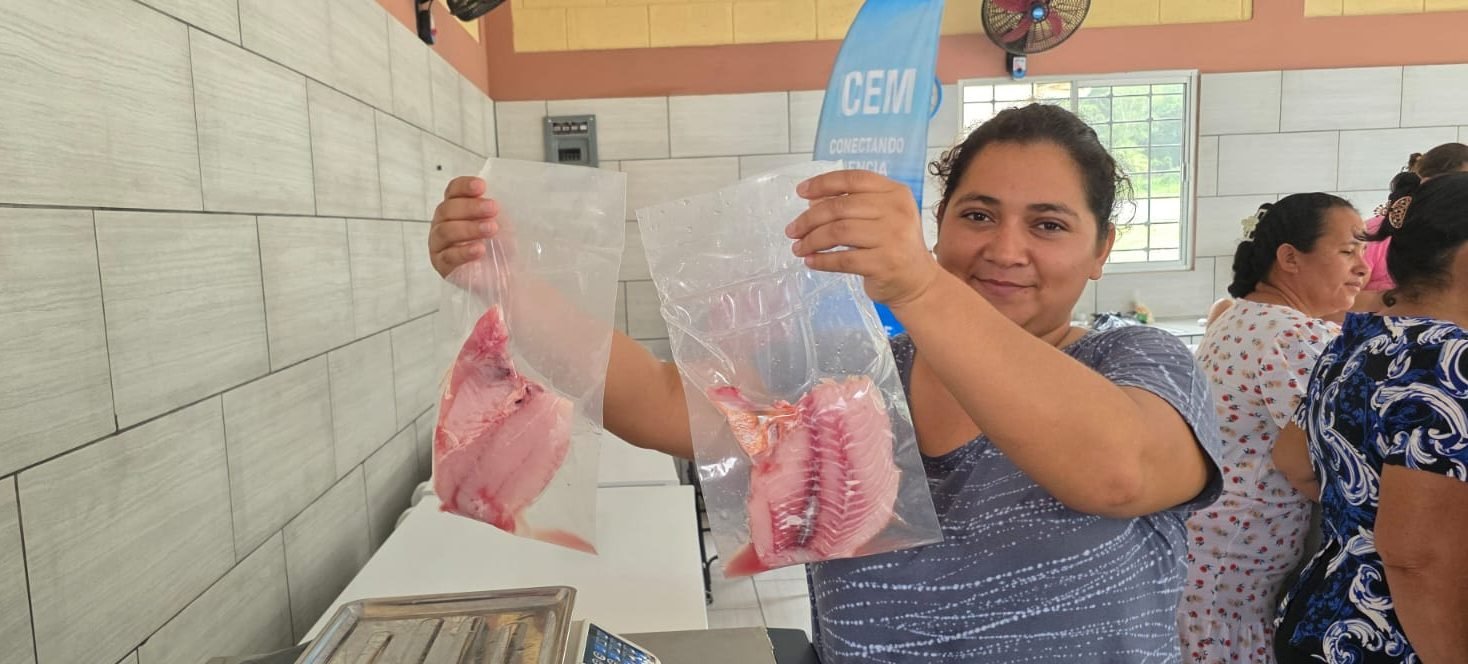
Today, Dayani is one of eight women in her community who work at Pescadería La Bendición, a business that has been operating for nearly three years. Her experience reflects a reality that remains largely unseen: the fisheries value chain neither begins nor ends on the boat. After the catch is unloaded, there is an extensive network of activities that determines how much economic value each catch can generate and how much of that value remains in the community.
That is the premise behind Women for the MAR, a project implemented by the Mesoamerican Reef Fund (MAR Fund) that supports women-led enterprises. It has helped nearly one hundred women strengthen their technical skills, develop financial autonomy, and recognize their role as key players in their respective ventures, while also fostering confidence, leadership, and the creation of support networks among them.
The initiative is based on a simple principle: conservation can also create opportunities for people. From the perspective of the blue and regenerative economy, protecting the reef means strengthening economic activities that depend on its health, diversifying sources of income, and creating incentives so that communities can thrive without increasing pressure on resources.
In artisanal fishing, generating greater value does not necessarily mean extracting more from the sea, but rather making better use of what is already caught. This involves promoting responsible practices and strengthening communities’ capacities to manage, conserve, and market their products sustainably.
La Bendición Fish Market is part of the fishermen’s associations supported by the Center for Marine Studies (CEM), which trains them to fish in a more organized, responsible, and sustainable manner. With support from MAR Fund, this approach is also being promoted among women’s groups involved in the fisheries value chain, as in Dayani’s case.
The CEM supports the strengthening of enterprises that can contribute to the sustainability of the SAM by respecting minimum catch sizes, closed seasons, the use of permitted fishing gear, and ensuring the traceability of products from authorized areas.
It also promotes appropriate methods for catching species such as lobster and actions such as the collection of solid waste found in the sea. In this way, those who depend on fishing also contribute to the care of the ecosystem that sustains their activity and their livelihoods.
“Transforming this reality requires supporting women in processes of reflection and recognition of their contributions, while also working with families, communities, and institutions to challenge the beliefs and practices that perpetuate these inequalities,” states Mariana Borja, Women for SAM Officer at MAR Fund, explaining that the main challenge is not a lack of effort, will, or technical knowledge, but rather the structural barriers that keep women in the most vulnerable segment of the value chain.
“Artisanal fishing has historically been viewed as a man’s trade; however, in the SAM, it is women’s hands that sustain much of the community structure behind fishing. Even so, gender norms have contributed to rendering their work invisible and to perpetuating—even in the way they perceive their own contributions—an unequal valuation compared to men’s work.”
In rural coastal communities, this contribution has historically been overlooked. Although women participate in decisions that determine the economic value of fishing and the stability of family income, their work is often excluded from statistics, financing programs, and decision-making forums regarding the sector. While fishing activity is typically measured by catch volume, much of the economic value is generated after the catch is landed.
They are also part of communities that have spent generations observing the cycles of the moon, the behavior of the tides, and the migration patterns of different species. The key is to combine this ancestral knowledge with tools for managing and administering marine and coastal resources.
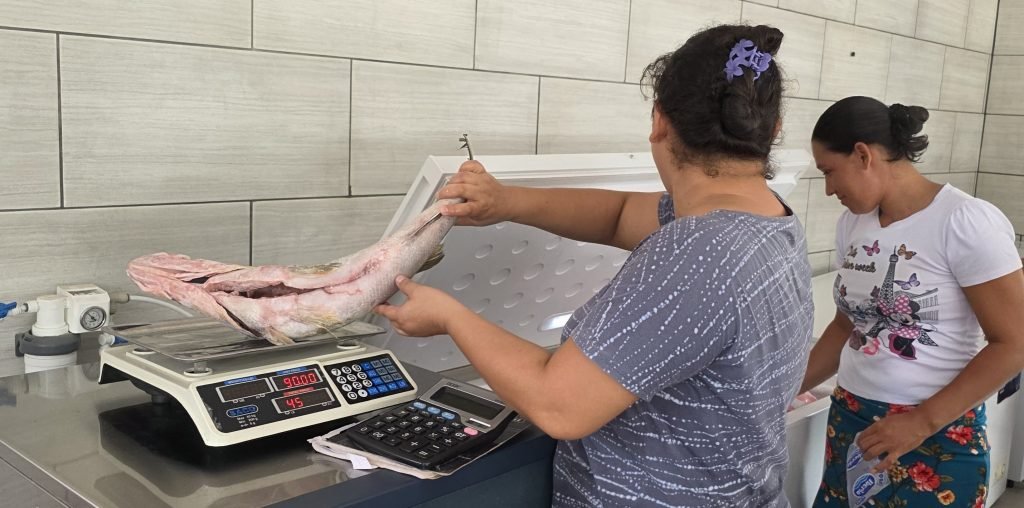
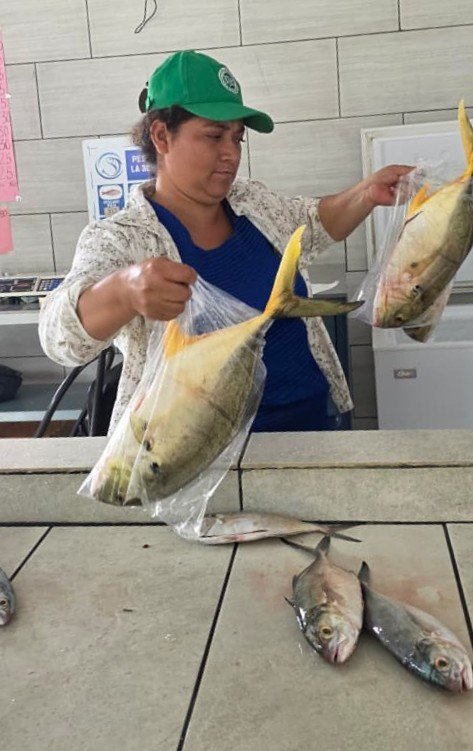
When the boat reaches the beach, the work has only just begun. They receive the catch, sort the species by size, clean the fish, and prepare it for sale. If a customer has already placed an order, they set aside the appropriate pieces. Before they had a freezer, time was against them: if the fish was still on the table by evening, they had to lower the price to avoid losing the entire catch. Today, they can keep the product in good condition for longer, process it, or wait for a buyer who will pay a fair price. Dayani knows firsthand what it means to sustain that part of the supply chain.
“We have to make the trip from the beach to the collection center, transporting the fish for nearly an hour. The work we do is hard and demanding, and we’d like to be valued as women.”
Added to this are limitations such as restricted access to credit, a shortage of infrastructure and basic services, a lack of electricity for refrigeration or processing the product, as well as the additional burden of domestic work and family care. In some cases, these conditions are exacerbated by gender-based violence, which further reduces women’s opportunities to participate in decision-making spaces.
“Women’s economic empowerment is not only a matter of social justice but also a key factor in strengthening environmental sustainability, the local economy, and the resilience of fishing communities,” Mariana emphasizes. From a Blue Economy perspective, when a woman gains access to better decision-making tools and financial autonomy, the impact is comprehensive: pressure on fishery resources is reduced by adding value rather than volume, food security is strengthened, and community resilience is increased.
 Some Intersectional Barriers Faced by Rural Women Entrepreneurs
Rural women entrepreneurs do not constitute a homogeneous group. The barriers they face can be exacerbated when factors such as geography, ethnicity or community affiliation, socioeconomic status, age, or disability intersect.
- Rural geography: limited access to basic services, connectivity, and transportation.
- Ethnic and community identity: membership in indigenous peoples, local communities, rural communities, peasant communities, and communities of African descent, with historical and structural inequalities.
- Social class: conditions of vulnerability and poverty that perpetuate cycles of exclusion.
- Digital gap: lack of digital literacy and limited access to technology.
- Financial services: limited access to banking services and formal credit.
For the women at La Bendición Fish Market, strengthening their business has also meant changing the way they sell their product and the value they can get for it. “Since we started our own business, we no longer have to deal with the hardships of haggling over the fish and seeing who will buy it. Now it’s transported from the boat to the collection center, refrigerated, and the customer comes there to buy it. The value chain for our fish has also improved, because we no longer give it away—instead, we set a fair price for the product.”
Women for the MAR seeks something deeper than simply providing equipment or offering isolated training sessions. Its goal is to strengthen women’s entrepreneurial skills, leadership, self-confidence, and collective organization so they can add value to their products, diversify their income, and negotiate on better terms. The support is grounded in their realities and aims to overcome the barriers that have historically limited their access to opportunities.
Although there are numerous programs aimed at women today, their requirements, methodologies, and support structures continue to exclude those who have faced historical exclusion and multiple barriers to access. Women for the MAR is committed to investing in these women and tailoring its support to their realities, because their livelihoods, knowledge, and daily work are closely linked to the conservation of marine and coastal ecosystems, placing them on the front lines of their protection.
For Dayani and her colleagues, this process has also meant acquiring new skills to process and preserve their products.
“We’ve been learning skills that go beyond the basics, such as filleting, packaging, refrigeration, and proper handling. We’ve learned thanks to the support of various institutions that have been our partners in these ventures.”
This change has effects that extend beyond the family’s economy. When a woman has a more stable income and better conditions for marketing the product, she can reduce her reliance on immediate harvesting during closed seasons or periods of scarcity. Thus, economic empowerment can also become a conservation tool: generating more value without increasing the volume of harvest helps reduce pressure on resources and strengthens the resilience of communities.
“All of this has helped us empower ourselves and keep moving forward and fighting so that our business continues to grow, our fish are better cared for in our area, and fishing moratoriums are respected. All of that has helped us take care of the sea and our fish markets,” Dayani reiterates.
At this intersection of territory, gender, and sustainability, Women for the MAR puts forward a key idea: conservation also means creating conditions for communities to live better without compromising the future of the sea. And in this effort, coastal women are a fundamental part of the fisheries value chain—as bearers of knowledge, entrepreneurs, and key actors in strengthening local economies and promoting practices that contribute to the sustainability of marine resources.
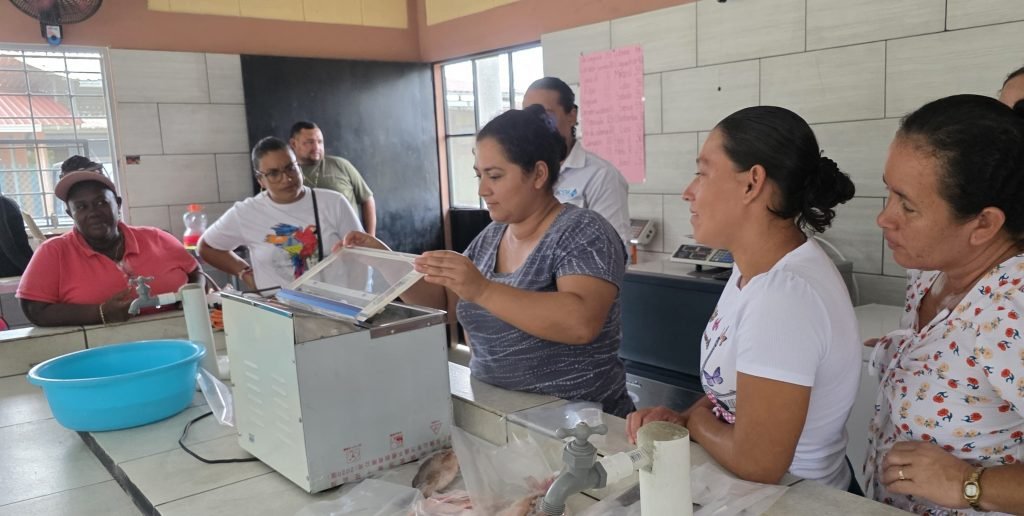
Women for the MAR seeks to raise awareness of and strengthen women’s leadership in marine conservation within the Mesoamerican Reef System. Through networks, training, and advocacy initiatives, it promotes women’s equitable participation in natural resource management, recognizing their essential role in the sustainability of coastal communities.
Pilot aquaponics system advances as an alternative for environmental education and livelihoods in Tela Bay

Photo: Daniela Sansur
On July 9, 2026, Fundación para la Protección de Lancetilla, Punta Sal y Texiguat (PROLANSATE) inaugurated the pilot aquaponics system established at Lancetilla Botanical Garden in Tela, Atlántida, Honduras. The system aims to demonstrate how food production can be linked to environmental education and new livelihood opportunities, particularly during the fishing closed season.
Aquaponics combines fish farming with plant cultivation, using nutrients in the water to support both processes. At Lancetilla Botanical Garden, this experience will provide an opportunity to gain practical knowledge about growing vegetables such as sweet peppers, tomatillos, and chile cabro, as well as harvest times and the parameters needed to monitor water quality.
This pilot is part of the project “Empowering Local Stakeholders, Communities, and Staff to Promote the Sustainable Management of the Blanca Janeth Kawas Fernández (PNBJKF) and Punta Izopo (PNPI) Protected Areas,” implemented by PROLANSATE under Protection of Maritime Resources in Central America III (Phase III), with the support of German Cooperation through KfW.
The initiative brings together several strategic partners. CORAL developed the aquaponics cultivation method and provided the pilot system as part of its collaboration with the initiative. Lancetilla Botanical Garden provides the physical space and labor for its construction, as well as the conditions for environmental education and interpretation activities. GOAL, an international humanitarian and development organization, seeks to replicate these systems at the community and business scales. Phase III of MAR Fund provides resources for their replication and installation in communities.
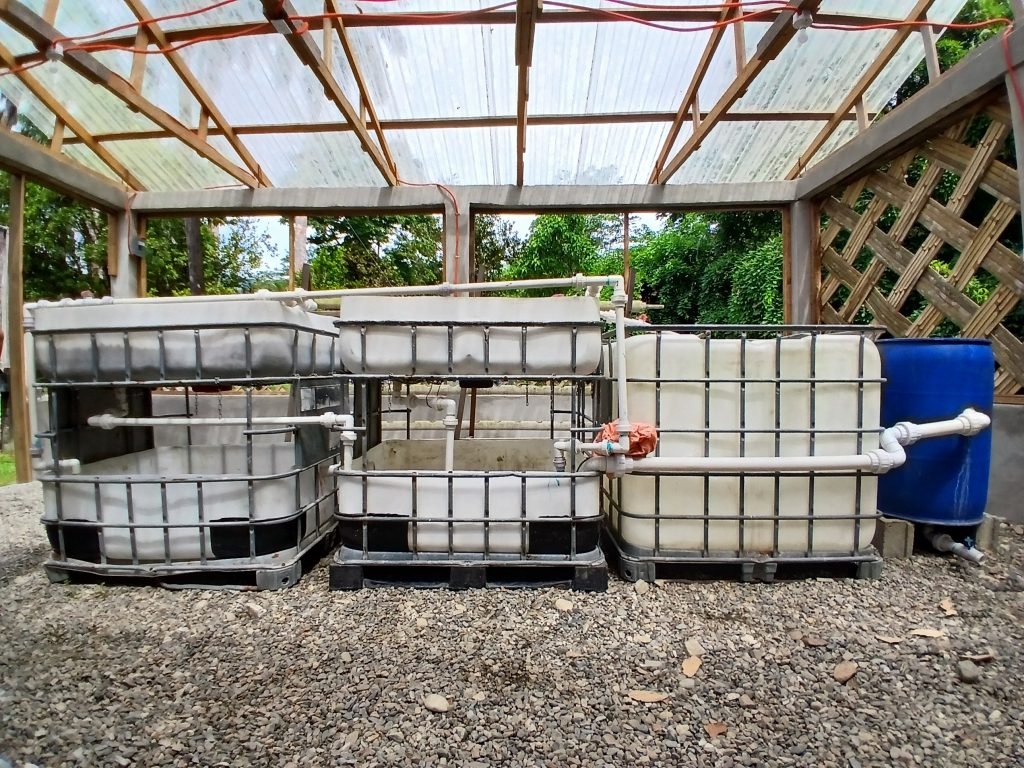
Photo: Daniela Sansur
The aquaponics system is now operational and is currently being prepared to receive its first batch of fingerlings, fish that will be raised within the facility. Aquaponics can help reduce pressure on the natural resources of protected areas by providing new livelihood opportunities, including household consumption, sales, and the creation of new entrepreneurial opportunities for local residents during the fishing closed season.
“The aquaponics system installed at the Botanical Garden serves as a demonstration pilot open to the public. Based on this experience, five systems will initially be installed in interested communities, accompanied by training and technical assistance. These systems are expected to directly benefit between 30 and 40 people, representing approximately 10 families. We hope this pilot will generate interest among other donors and organizations to support its replication and expansion at the local, community, or industrial level” — Ángel Fong, Project Coordinator.
The pilot experience paves the way for its potential replication in communities located within the area of influence of the Marine and Coastal Protected Areas of Tela Bay. Specifically, these include the Tela Bay Marine Wildlife Refuge, Punta Izopo National Park, and Blanca Jeannette Kawas National Park.
Lancetilla Botanical Garden also has a dedicated space for environmental education and training activities and is working on a guide and interpretive materials that will be useful both for the technical staff operating the system and for local stakeholders.
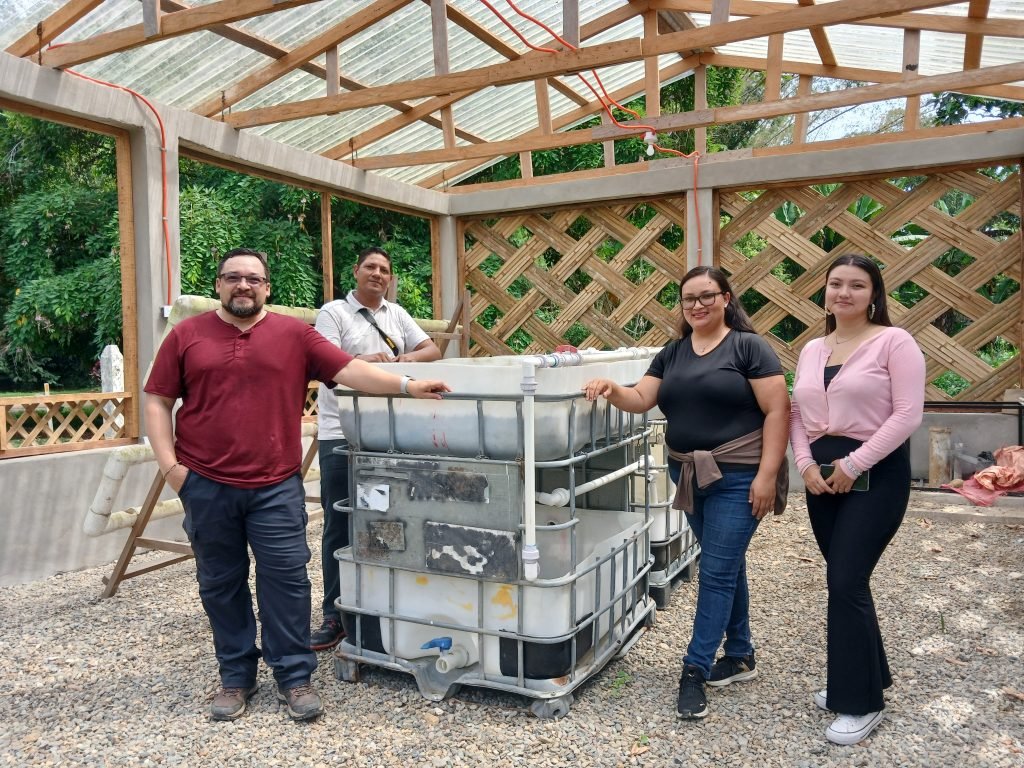
Photo: Daniela Sansur
Enhancing Post-Storm Reef Response: Site Visit and Response Practice at Hol Chan Marine Reserve in Belize
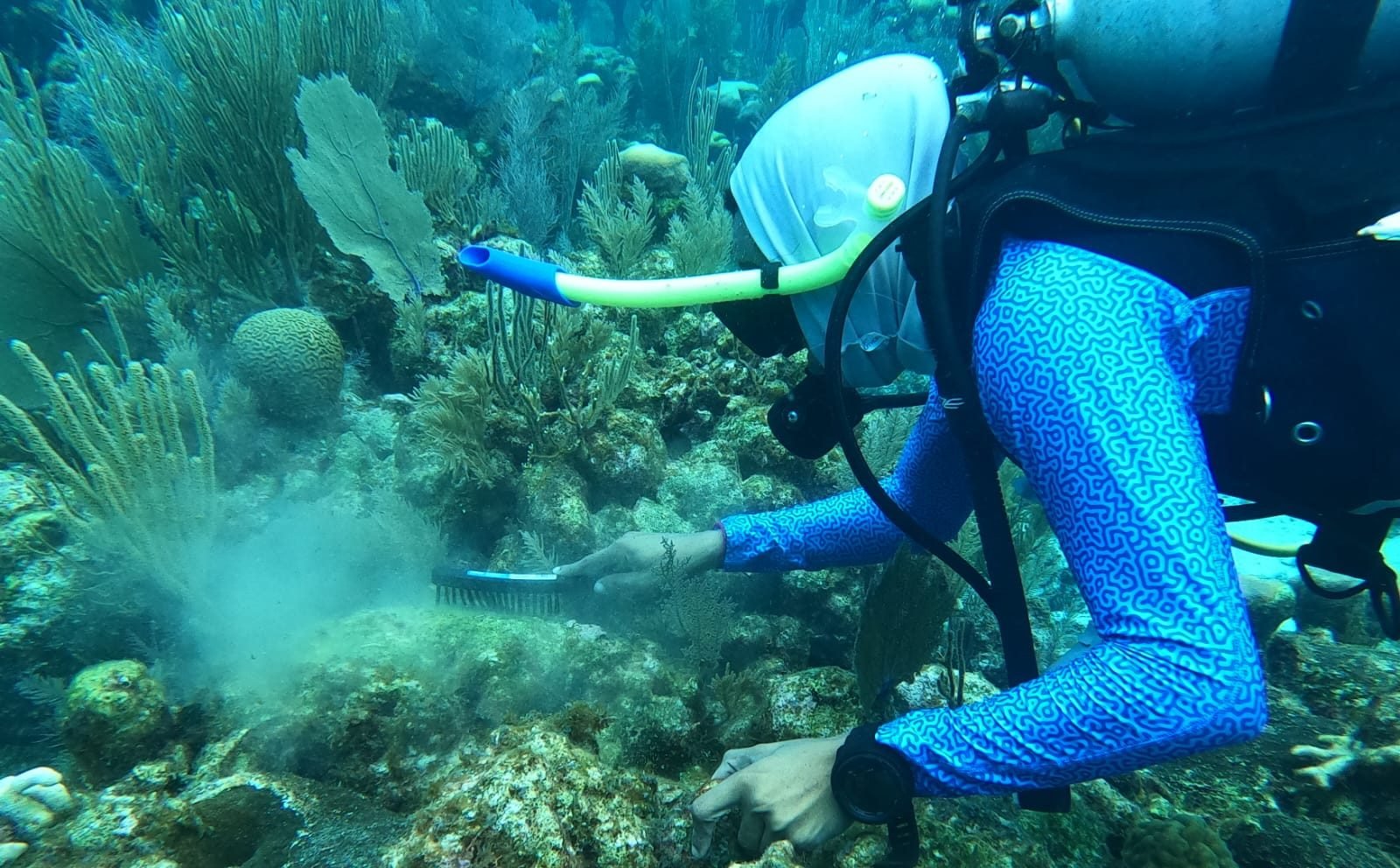
Photo: Mauricio Valenzuela
On August 24, 2026, strategic partners gathered at Hol Chan Marine Reserve in Belize for a demonstration on post-storm reef response and conservation efforts. The activities provided a first-hand look at the rapid reef response capacities and local governance mechanisms that are key pillars of the MAR Insurance Programme, and highlighted how these efforts contribute to climate resilience across the Mesoamerican Reef region. Supported by MAR Fund and its partners.
The event brought together 27 participants representing the Ministry of Blue Economy and Marine Conservation, the British High Commission, the Foreign, Commonwealth & Development Office (FCDO), the Belize Fisheries Department, the Hol Chan Marine Reserve, Wildlife Conservation Society, and the Mesoamerican Reef Fund (MAR Fund). We had the opportunity to welcome the Ocean Risk and Resilience Action Alliance (ORRAA), a key MAR Fund partner that has supported the MAR Insurance Programme from the design of the policy, to the reef response establishment and to scaling the program to other Caribbean countries.
The day began with opening remarks from Hon. Andrés Pérez, Minister of Blue Economy and Marine Conservation, and H.E. British High Commissioner Alistair White, whose participation highlighted the importance of strengthening reef resilience and emergency response efforts.
Following the opening remarks, María José González, Executive Director of MAR Fund, and Chip Cunliffe, Senior Director and Co-Founder of ORRAA, provided an overview of the significance of the event, highlighting the collaboration and partnerships that have made the MAR Insurance Programme possible and that continue to strengthen reef resilience and post-storm response across the region.
Partner organizations shared a series of presentations highlighting different aspects of reef conservation, preparedness, and post-storm response. Hol Chan Marine Reserve provided an overview of the Marine Reserve and its conservation work, while the Belize Fisheries Department’s Post-Storm Response Committee Coordinator shared insights into the coordination and preparedness involved in post-storm response. A local brigade instructor from the Wildlife Conservation Society (WCS) presented the recently updated Response Protocol for the Rescue of Coral Reefs Affected by Hurricanes, highlighting the procedures, roles, and actions that guide reef response efforts following a hurricane.
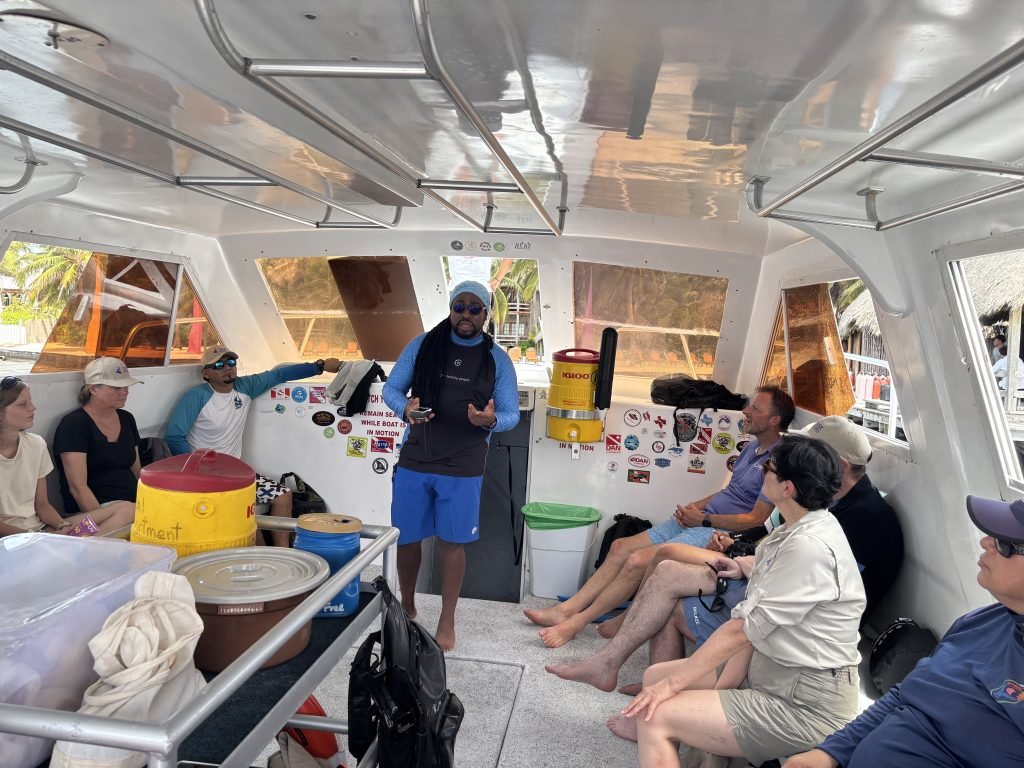
Photo: André Herrera
The group then traveled to Tufuy, a marine site outside of the reserve, where they observed a practical demonstration by reef brigade members. The exercise provided a first-hand look at the coordination, teamwork, and specialized skills involved in post-storm reef response, demonstrating how preparedness and local response capacity can come together in the field.
The day continued with a snorkel in the Marine Reserve, followed by a visit to the Hol Chan Marine Reserve Visitor Center, bringing together field experience, knowledge exchange, and a deeper appreciation of the work being done to protect Belize’s coral reefs.
It was a wonderful opportunity to spend the day with our partners and show our donors the impact that their support can have on coral reef restoration. — Julio Noble, Marine Biologist at Hol Chan Marine Reserve
As the final activity of the day, MAR Fund, ORRAA, and Virginia Burns Perez, Project Lead for the Reef Resilience & Risk Financing Mechanism (R3FM) Project at the Caribbean Biodiversity Fund (CBF), held a working meeting to discuss ongoing initiatives and explore opportunities for future collaboration across the Mesoamerican Reef Region and the Wider Caribbean. The meeting provided a valuable space to exchange experiences, share challenges and best practices, and identify opportunities to strengthen the implementation and impact of projects supporting climate resilience, reef conservation, and innovative financial mechanisms throughout the region.
This site visit demonstrated the value of bringing partners together to strengthen local capacity, share knowledge, and improve post-storm reef response. We are grateful to our donors and partners for making these results possible. — María José González, Executive Director, MAR Fund
Seeing Belize’s reef response brigades train firsthand showed exactly what climate resilience should look like: local, practiced, and ready to go. This isn’t just insurance sitting in the background. ORRAA is glad to be part of the MAR Fund’s work to make that possible. — Chip Cunliffe, Senior Director and Co-Founder of ORRAA
Together, these efforts demonstrate the importance of strong partnerships and collaboration to strengthen preparedness, local capacity, and innovative financial mechanisms in building a more resilient Mesoamerican Reef.
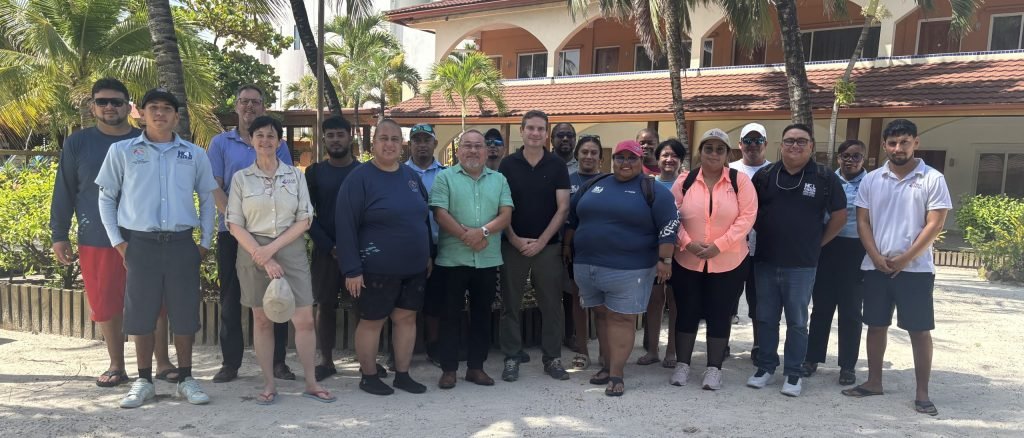 Photo: André Herrera
Seagrass Survey Provides Key Information for the Conservation of Coastal Ecosystems in Tela Bay
Photos: Daniela Sansur
On June 24, 2026, the Association of Friends of the Tela Reefs (AMATELA), as part of the Protection of Maritime Resources in Central America III (Phase III) project, with support from the German Cooperation through KfW, conducted a seagrass survey in Tela Bay to generate information that contributes to the monitoring and conservation of these ecosystems. The activity took place in Punta Izopo National Park as part of the management actions for the Tela Bay Marine Wildlife Refuge.
During the survey, a new site with seagrass presence was identified. One of the most significant findings was the possible presence of Halophila decipiens, a species that has not previously been reported in any of the three marine and coastal protected areas of Tela Bay. Additional sampling will be required to confirm the species’ identification.
The project’s initial goal was to identify 0.8 hectares of seagrass; however, by 2025, a total of 11.8 hectares had already been documented, and this new survey will complement the existing information.
These findings expand knowledge of the region’s biodiversity and the national distribution of this species, providing valuable information to guide management measures, such as identifying suitable anchoring zones, and to update the distribution map of seagrass meadows in Tela Bay. The newly identified sites will also be incorporated into ongoing monitoring and surveillance efforts.
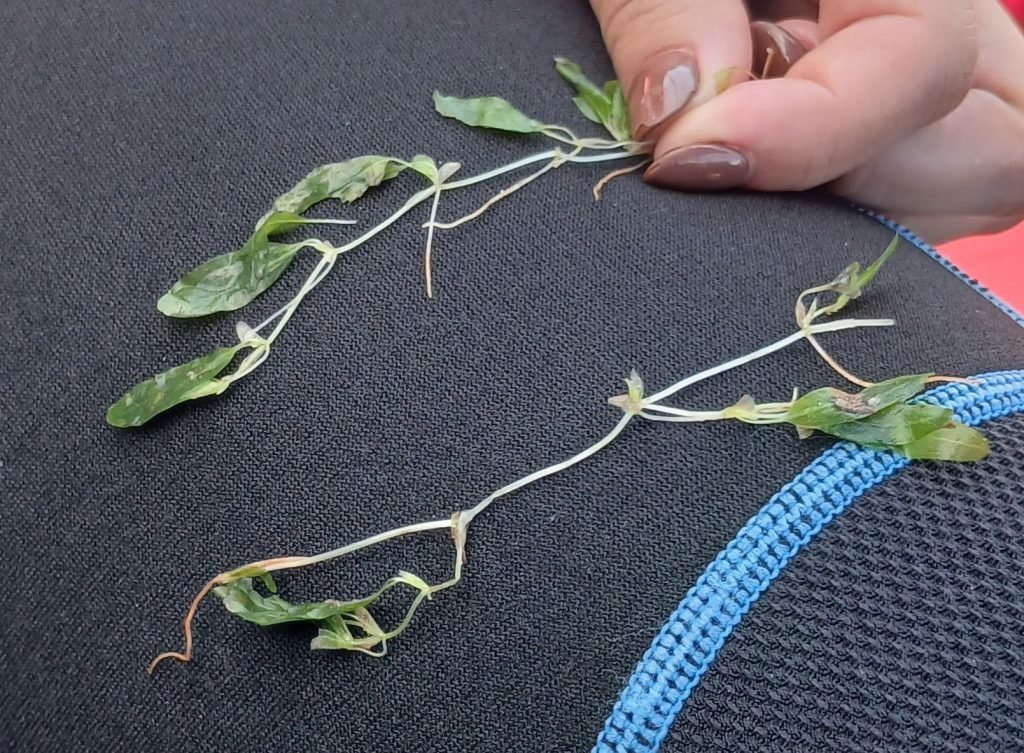
Possible identification of the species Halophila decipiens.
The survey involved seven members of the co-management teams from the Tela Bay Marine Wildlife Refuge and Punta Izopo National Park, with technical support from the LifeWeb Initiative/Institute of Forest Conservation (ICF) and PROLANSATE Foundation, as well as support from the Municipality of Tela and Tela Marine.
The progress achieved during the survey was also made possible by AMATELA’s enhanced capacity to carry out fieldwork. With support from Phase III, the organization now has its own boat, trailer, and diving equipment, enabling more efficient field expeditions and follow-up activities in protected areas. These resources help ensure the continuity of monitoring and management efforts in priority conservation sites.
Protecting seagrass meadows helps conserve essential habitats for fish and invertebrates that use these ecosystems as shelter and nursery grounds. Many of these species also depend on mangroves and coral reefs throughout their life cycle, making the conservation of these interconnected ecosystems essential for sustaining the fisheries upon which many coastal communities rely.
In Tela Bay, AMATELA’s work represents an important step toward improving knowledge of these ecosystems and supporting informed conservation decisions that protect the natural resources sustaining the region’s biodiversity and local livelihoods.
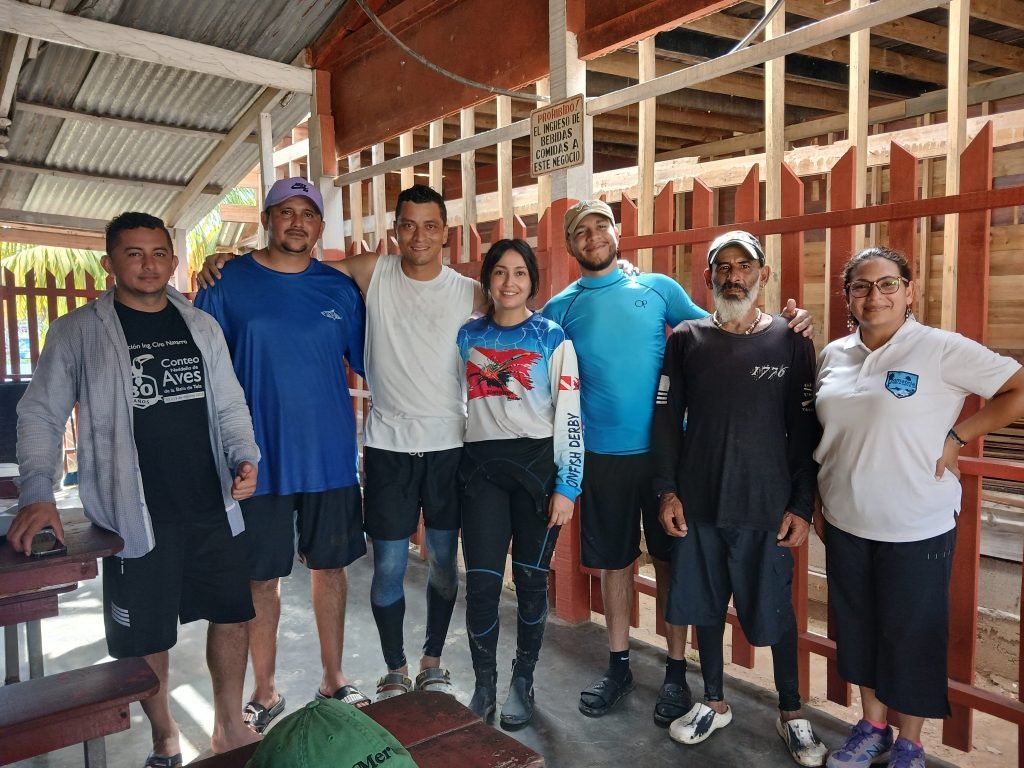
The seven members of the co-management of the Tela Bay Marine Wildlife Refuge and the Punta Izopo National Park who participated in the prospecting.
Project for the Protection of Maritime Resources in Central America III – Phase III
Phase III supports the conservation and sustainable use of natural resources in and between selected coastal marine protected areas of the Mesoamerican Reef System by improving management effectiveness and restoring key ecosystems—including mangroves, coral reefs, seagrasses, and fisheries. It also supports sustainable economic alternatives for local communities. The expected outcome is long-term ocean health through regional cooperation and innovation.
When the Reef Calls: Underwater Guardians
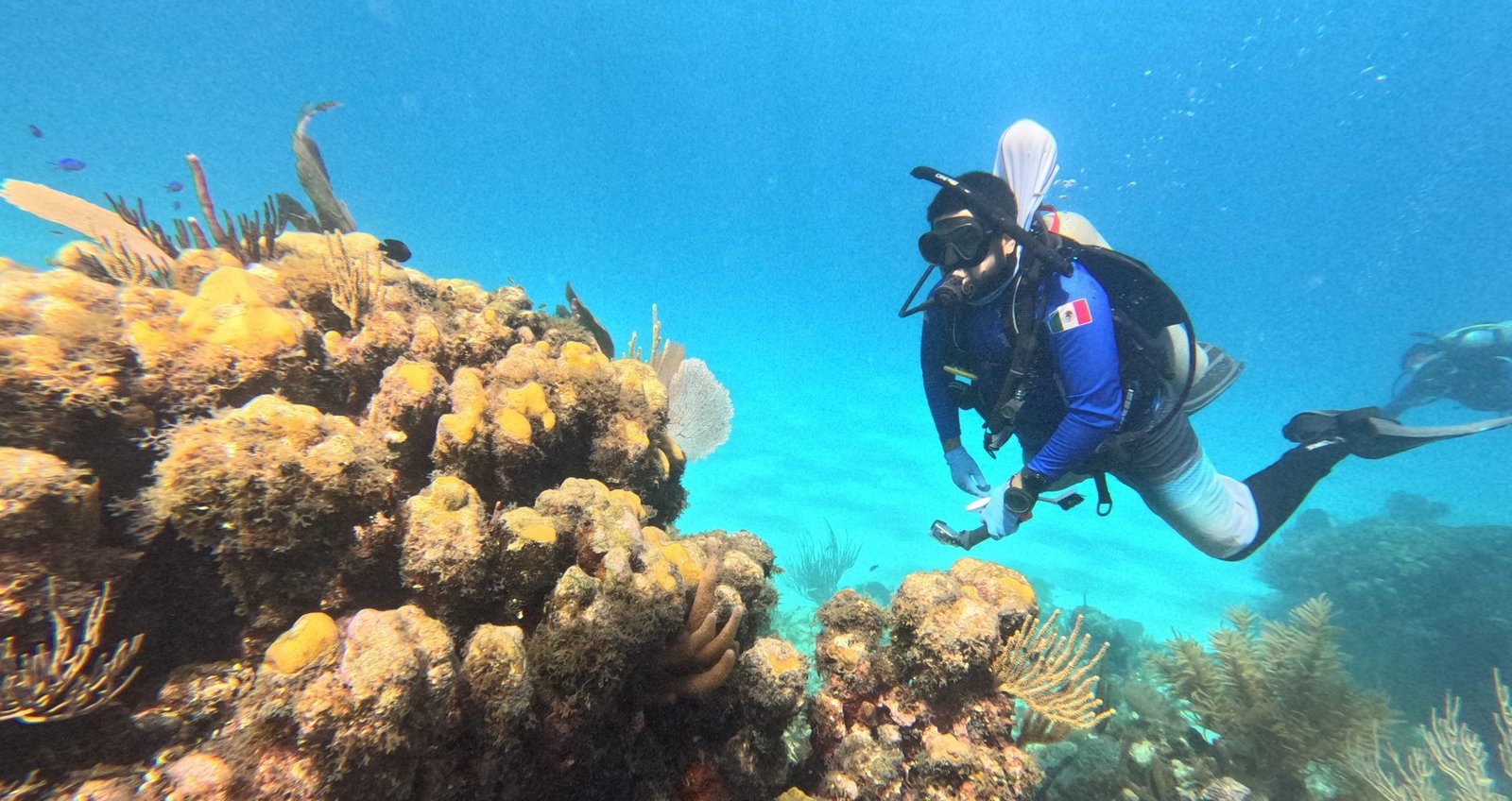
By Liz Herrera / Photos courtesy of Irving Chávez
Some people start their day in front of a computer; others, in a classroom. And then there are those who, from time to time, find their office several meters below the sea. When work takes Irving Chávez to the waters of the Mexican Caribbean, the landscape changes completely. The blue of the ocean replaces the walls and desk of an office.
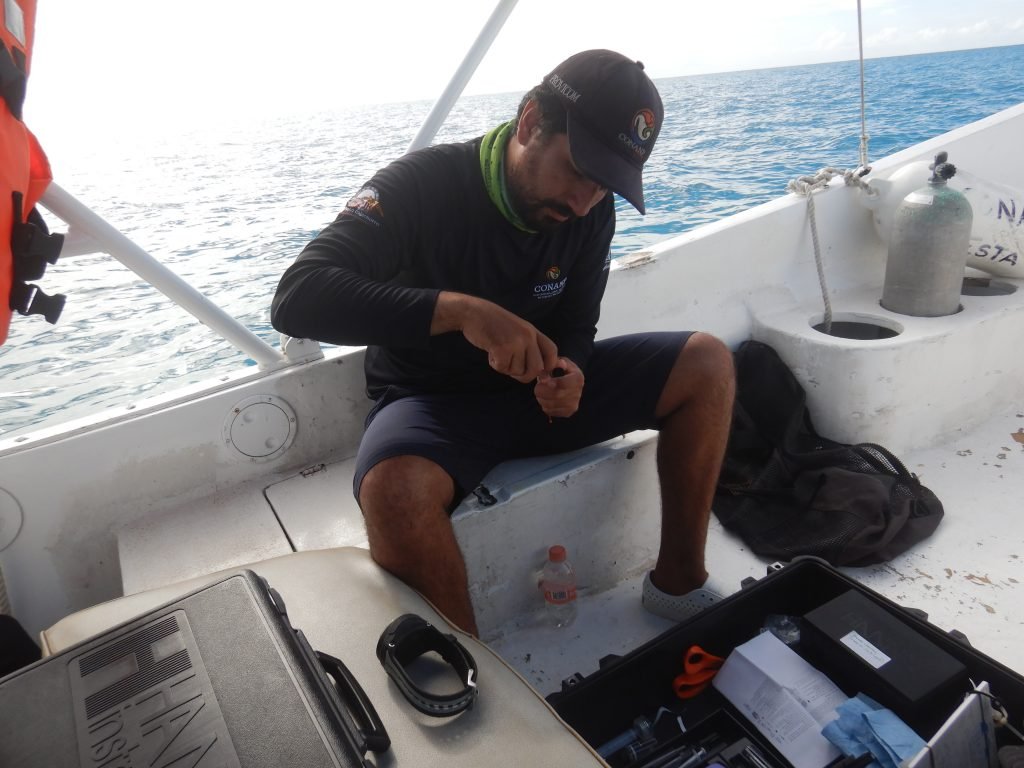 Irving is a biologist and currently serves as Subdirector of the Banco Chinchorro Biosphere Reserve, part of Mexico’s National Commission for Protected Natural Areas (CONANP). In 2021, he trained as a Poststorm Reef Response Brigade member, and since 2025, he has also served as an instructor for these brigades.
On the surface, the scene may seem serene, but those who work on the reefs know that every dive presents its own conditions and challenges, which require preparation, coordination, and experience. Poststorm Reef Response brigades are groups of highly trained divers who serve as the first line of response to protect and restore these ecosystems when they face threats or emergencies caused by hurricanes, storms, groundings, or other events.
“A brigade member can be anyone—a waiter, a tour guide, a fisherman, a soldier, an artisan, a park ranger, or even the director of a Protected Natural Area. What unites us is a shared ideal: the value of life in all its forms, and in particular, that of coral reefs. This awareness of the past, present, and future makes us guardians of the ocean.”
The First Responders
For decades, the image of a park ranger was limited to beige-uniformed officers patrolling jungles. However, post storm reef response brigade members are also part of this force dedicated to care and conservation: they are guardians of the ocean. They watch over, monitor, respond to emergencies, and help restore ecosystems.
Their work takes on special significance in the Atlantic’s largest transboundary reef, the Mesoamerican Reef (MAR), shared by Mexico, Belize, Guatemala, and Honduras. The health of this ecosystem is closely linked to the well-being, food security, and livelihoods of millions of people, making its conservation a shared responsibility.
It is in this context that the Mesoamerican Reef Fund (MAR Fund) runs the Reef Rescue Initiative (RRI), providing support to strengthen the local and regional capacities of the organizations and institutions responsible for effectively responding to the threats facing coral reefs, thereby helping to maintain the resilience of this natural heritage.
Every day is different. Patrol duties include monitoring underwater nurseries, but their true role as “first responders” comes into play after hurricanes. Time is of the essence in increasing the corals’ chances of survival after a storm or extreme weather event. If dislodged coral fragments are not relocated soon, they will die.
A brigade member’s work combines scientific knowledge, practical experience, and keen observational skills. It is a race against time that intensifies in the wake of various weather events. Using specialized protocols, they document damage, stabilize colonies, relocate fragments, secure the corals to the substrate with specialized materials, and monitor their recovery for months.
In 2023, Irving’s team faced one of its most critical moments: the arrival of white syndrome (a tissue-loss disease affecting stony corals) at the Banco Chinchorro Biosphere Reserve.
“It was one of the saddest moments of my life, watching reefs teeming with life disappear due to the sudden death of a large number of corals. The responsibility and the uncertainty of not knowing whether what we were doing would work caused us a great deal of frustration. But thanks to the commitment of the volunteers and the support of MAR Fund (through the RRI Emergency Fund), we managed to rescue more than 90 fragments of pillar coral (Dendrogyra cylindrus), 10 of which are still alive in our underwater nurseries, and that gives us a glimmer of hope.”
The reef does not exist in isolation from humans. Its condition directly affects fishing, tourism, storm protection, and the livelihoods of thousands of families living along the SAM coastline. By restoring coral colonies, the volunteers maintain natural barriers that dissipate up to 90% of wave energy, protecting the coastlines from erosion and storm damage. Their work not only conserves marine biodiversity; it also safeguards fisheries, tourism, and the livelihoods on which the regional economy depends in the face of the growing impacts of climate change.
Expanding our Capacity to Protect
Becoming an instructor means much more than just earning a diploma. It means preparing new generations of people capable of responding when the reef needs it most. Irving sums it up this way:
“My participation in this course to become a brigade instructor has been a valuable opportunity, as it allows me to help progressively increase the response capacity of our brigades, and it also opens the door to involving diverse sectors of society in the care and conservation of the reefs in southern Quintana Roo. Furthermore, this experience has strengthened me in various ways—from organization to the implementation of environmental and social safeguards—reaffirming collaborative work as a key element. It will always be the best way to address emerging challenges and generate positive results.”
Caring for the reef doesn’t depend solely on those underwater, but on building capacities that will remain in the communities for many years: “More than specific knowledge and skills, what holds the greatest value in reef restoration is the sense of community. There may be a great deal of knowledge, but it’s useless if it isn’t shared. You can have many skills, but they’re useless without commitment, respect, or teamwork,” he says. Conservation is also strengthened by sharing knowledge.
The People Behind the Restoration
For Irving, being a field worker is a privilege, but it also involves sacrifices. Spending several days away from home, adapting to conditions at sea, and not knowing for sure when he’ll be able to return are all part of a reality shared by many park rangers and conservationists. Now, as he prepares to become a father for the first time, those absences take on new meaning. “It makes me appreciate even more the commitment of those who temporarily leave their families to protect biodiversity, here and anywhere on the planet,” he reflects.
Conserving a reef begins long before entering the water: it starts when people understand the value of this ecosystem and the connections between its health and our own quality of life. When the ocean needs help, there are people ready to respond, and behind every coral colony regaining its color, there is a face marked by a diving mask.
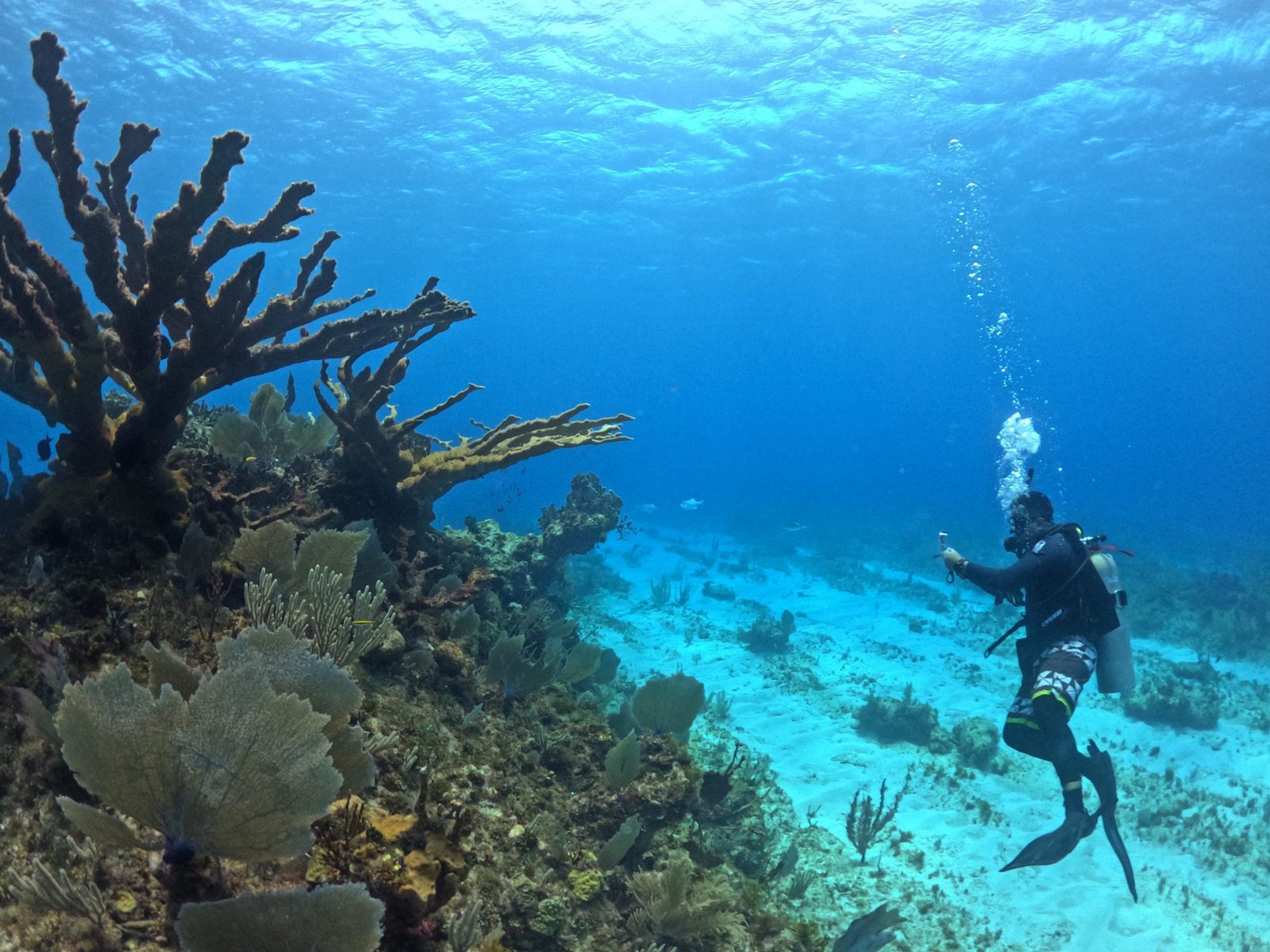
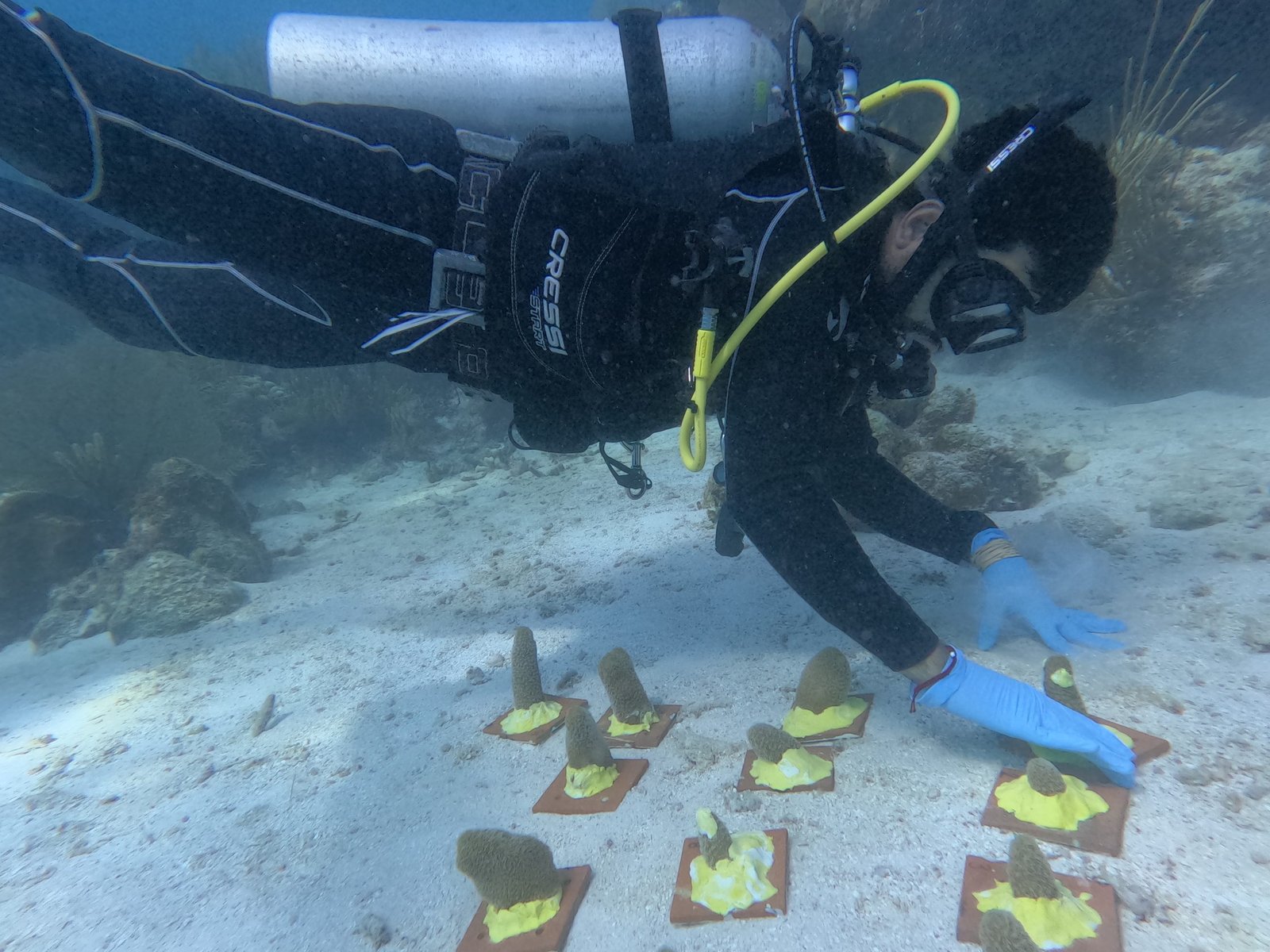
The RRI aims to increase the resilience of the MAR and of the environmental services it provides. Our main approaches are Continuous Restoration and Emergency Response. The RRI has established and structured regional collaborative efforts to advance:
• MAR Insurance Programme • Emergency Response Protocols • Emergency Fund • Reef Response Capacities • Small Grants Program • Reef Restoration Network
The Mesoamerican Reef Insurance Programme enters its sixth placement and expands to cover two new sites in Mexico
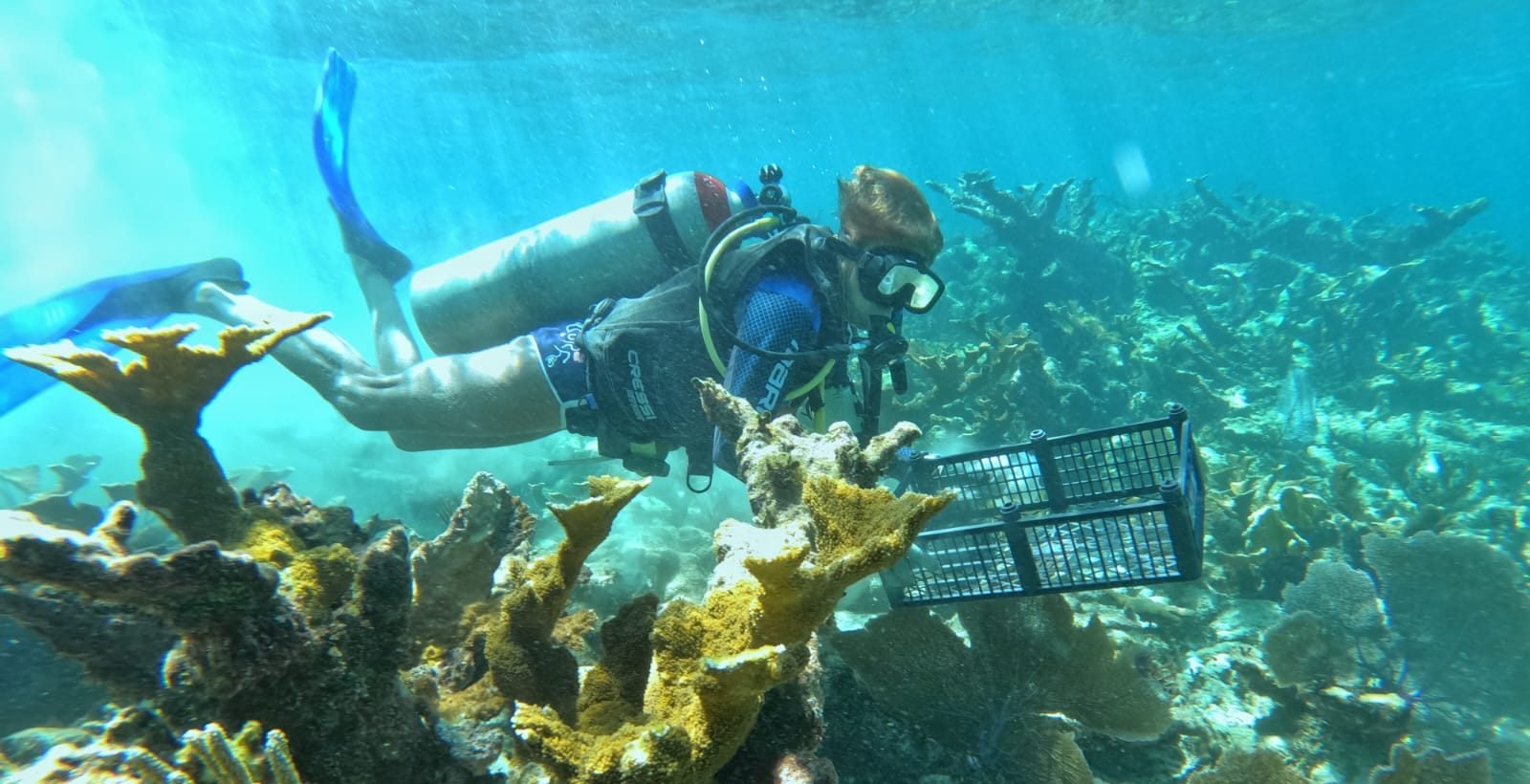
Photo: María del Carmen García
Regional initiative expands coverage to two additional protected areas in Quintana Roo, Mexico, strengthening climate resilience across the Mesoamerican Reef
July 2026 — The Mesoamerican Reef Fund (MAR Fund) and Willis, a WTW business (NASDAQ: WTW), are pleased to announce the sixth annual placement of the MAR Insurance Programme¹. This innovative regional mechanism provides rapid financing to support emergency reef response efforts following hurricanes across the Mesoamerican Reef (MAR).
Now entering its sixth year, the programme continues to expand its reach and impact. What began in 2021 with four Protected Areas (PAs) now provides coverage for 12 PAs across the region. This year, two additional PAs in Quintana Roo, Mexico —Arrecife de Puerto Morelos National Park and Arrecifes de Cozumel National Park— have been incorporated into the portfolio. Coverage under the 2026–2027 policy period runs from June 1, 2026, through May 31, 2027.
The MAR Insurance Programme is a cornerstone of MAR Fund’s Reef Rescue Initiative. It brings together parametric insurance, an emergency fund, and a coordinated response framework designed to protect one of the world’s most important marine ecosystems, the Mesoamerican Reef region. Since its inception, the programme has had the support of regional authorities. MAR Fund collaborates with them to advance climate adaptation across the four countries.
“As climate change continues to intensify across the wider Caribbean, having rapid access to emergency funding is essential to support timely response actions to accelerate reef recovery. We are proud to see the programme continue to grow, bringing new partners and additional reef sites into a mechanism that helps safeguard both this critical ecosystem and the coastal communities whose well-being depends on it”. —María José González, Executive Director of MAR Fund.
The MAR spans more than 1,000 kilometers from Cabo Catoche in northern Quintana Roo, Mexico, to the Bay Islands and the northern coast of Honduras. It generates over US$4.5 billion annually² in ecosystem services such as fisheries, tourism, and coastal protection, supporting the livelihoods of millions of people along its coastline.
Since its launch in 2021, the programme has been supported by the InsuResilience Solutions Fund (ISF). This core funding has been paired with additional contributions from MAR Fund’s Reef Rescue Initiative and those of strategic partners, including the Ocean Risk and Resilience Action Alliance (ORRAA) and the Adaptation Fund Climate Innovation Accelerator (AFCIA/UNDP). The programme’s regional expansion relied on targeted, site-specific collaboration with the Wildlife Conservation Society (WCS), which in 2024 and 2025 helped establish insurance cover and emergency response capacities for two areas in southern Belize.
“The MAR Insurance Programme is paving the way for nature-based solutions against climate risks and exceeds initial expectations by continuously growing and expanding. The ISF is proud to continue supporting this innovative insurance programme protecting a unique natural treasure and providing livelihoods for vulnerable people in the MAR region”. —Dr Annette Detken, head of the InsuResilience Solutions Fund.
For the current policy year, the Mexican Fund for the Conservation of Nature (FMCN), through the ACCIÓN Project funded by the Green Climate Fund, has partnered in these efforts by financing the insurance premium for Puerto Morelos and Cozumel. The incorporation of these sites was also made possible thanks to the Secretariat of Ecology and Environment of Quintana Roo (SEMA) as a key driver in the process. The National Commission of Natural Protected Areas (CONANP) has also been instrumental in driving the establishment and strengthening of local response capacities and supporting effective preparedness and response efforts in those protected areas. Together, these partnerships are helping to enhance hurricane preparedness and reinforce the resilience of the MAR region.
“Reef conservation is essential to sustaining marine biodiversity and strengthening the resilience of coastal areas, on which local economies and protection against extreme weather events depend. With the expansion of this insurance to Puerto Morelos and Cozumel, funding from the Green Climate Fund through FMCN enhances the capacity to mobilize resources immediately after a hurricane, enabling reef restoration when it is needed most”. —Renée González, Chief Executive Officer of FMCN.
“This is the path set by Governor Mara Lezama: to grow sustainably, protect our natural wealth, and understand development as a shared responsibility among government, community, science, the private sector, and international cooperation. We will continue working to consolidate this mechanism, strengthen local capacities, and ensure a rapid, technical, and organized response to the impacts of climate change. Protecting the reefs means protecting marine life, the coast, tourism, fishing, employment, and the future of thousands of families in Quintana Roo”. —Óscar Rébora, Secretary of Ecology and Environment of the State of Quintana Roo.
The insurance solution has been structured and placed by Willis’ Alternative Risk Transfer team, with AXA Climate serving as the designer of the parametric insurance product for the current policy year. Together, the partners are helping pioneer a model that links nature conservation, climate adaptation, and innovative finance to ensure that coral reef ecosystems can recover more quickly after extreme weather events.
“As climate-related risks continue to increase, innovative insurance solutions are playing a vital role in strengthening resilience. By providing rapid access to funding following severe weather events, this program helps ensure that reef restoration efforts can begin quickly, protecting natural ecosystems, local economies and the communities that depend on them. This partnership demonstrates how insurance can be a powerful tool in supporting climate adaptation and sustainable development”. —Jody Yee, Head of Alternative Risk Transfer for the Americas.
“Coral reefs are among the world’s most valuable ecosystems, yet increasingly vulnerable to climate-related disasters. At AXA Climate, we believe parametric insurance can help ecosystems and the communities that depend on them recover faster by providing immediate funding after extreme events. We are proud to support another year of this programme, which has become a global benchmark for how innovative solutions can protect biodiversity, strengthen resilience, and help close the protection gap for natural ecosystems”. —Antoine Denoix, Chief Executive Officer of AXA Climate.
 |
About InsuResilience Solutions Fund The mission of the InsuResilience Solutions Fund (ISF) is to support innovative solutions to mitigate the negative impacts of climate change. Managed by Frankfurt School of Finance & Management and funded by KfW Development Bank on behalf of the German government, the ISF’s objective is to close the protection gap by focusing on solutions for vulnerable populations who are over-proportionately exposed to climate risks. Therefore, ISF fosters the development of needs-based and financially sustainable climate risk insurance products in developing and emerging countries. ISF has supported the MAR Insurance Programme since its inception in 2021, and continues to provide premium financing support until 2027. |
 |
About WTW At WTW (NASDAQ: WTW), we provide data-driven, insight-led solutions in the areas of people, risk and capital. Leveraging the global view and local expertise of our colleagues serving 140 countries and markets, we help organizations sharpen their strategy, enhance organizational resilience, motivate their workforce and maximise performance. Working shoulder to shoulder with our clients, we uncover opportunities for sustainable success—and provide perspective that moves you. |
 |
About AXA Climate
AXA Climate, a subsidiary of the AXA group dedicated to climate change adaptation and transition, supports sectors such as agribusiness, industry, finance, and the public sector by offering parametric insurance products, consulting services, over 40 hours of online training, and a suite of digital tools for climate projections. By leveraging science and data, AXA Climate helps companies and public players to tackle key environmental challenges and enables them to implement concrete adaptation and mitigation strategies tailored to their local contexts and specific needs. |
 |
About FMCN Created in 1994, FMCN collaborates with different sectors to preserve the natural heritage of Mexico. Our motto, “Sustaining our natural treasure,” inspires us to work hand in hand with all sectors to ensure a sustainable future in which we can all continue to enjoy the natural capital that surrounds and sustains us. |
 |
About SEMA The Secretariat of Ecology and Environment (SEMA) is the agency of the Government of Quintana Roo, México, responsible for formulating, directing, and evaluating the state’s environmental and sustainability policies. Its work focuses on biodiversity conservation, the protection and restoration of Quintana Roo’s coral reefs, climate change mitigation, integrated waste management, and the promotion of an active ecological culture, ensuring a balance between tourism dynamics and the preservation of the Mexican Caribbean’s natural resources. |
 |
About MAR Fund MAR Fund is a regional environmental fund that implements the Reef Rescue Initiative (RRI), whose main objective is to support the long-term ecological and economic viability of the Mesoamerican Reef. This is achieved through capacity building, strategic alliances, risk management instruments, and innovative financial mechanisms. Through the RRI, MAR Fund collaborates with local conservation organizations and government agencies at each insured reef site to strengthen their capacity to implement reef response plans in the aftermath of hurricanes. To enhance the effectiveness and sustainability of reef response efforts in the region, MAR Fund manages two innovative risk financing mechanisms: the Emergency Fund and the MAR Insurance Programme. In the event of a payout, insurance funds are disbursed within days to MAR Fund’s Emergency Fund and then immediately transferred to predefined organizations that mobilize response brigades to mitigate hurricane impacts on coral reefs. |
[1] The execution of this Programme shall not have any effect with respect to, or in connection with, any sovereignty claims over any territory (land, insular and maritime) claimed by the Republic of Guatemala and/or Belize; nor shall it have any effect over the rights and/or claims of either country over such territory.
[2] See full report here: https://publications.iadb.org/en/economic-valuation-ecosystem-services-mesoamericanreef-and-allocation-and-distribution-these
 Photo: Martin Leglize
Concepción Molina Islas: Experience and commitment in service of conservation
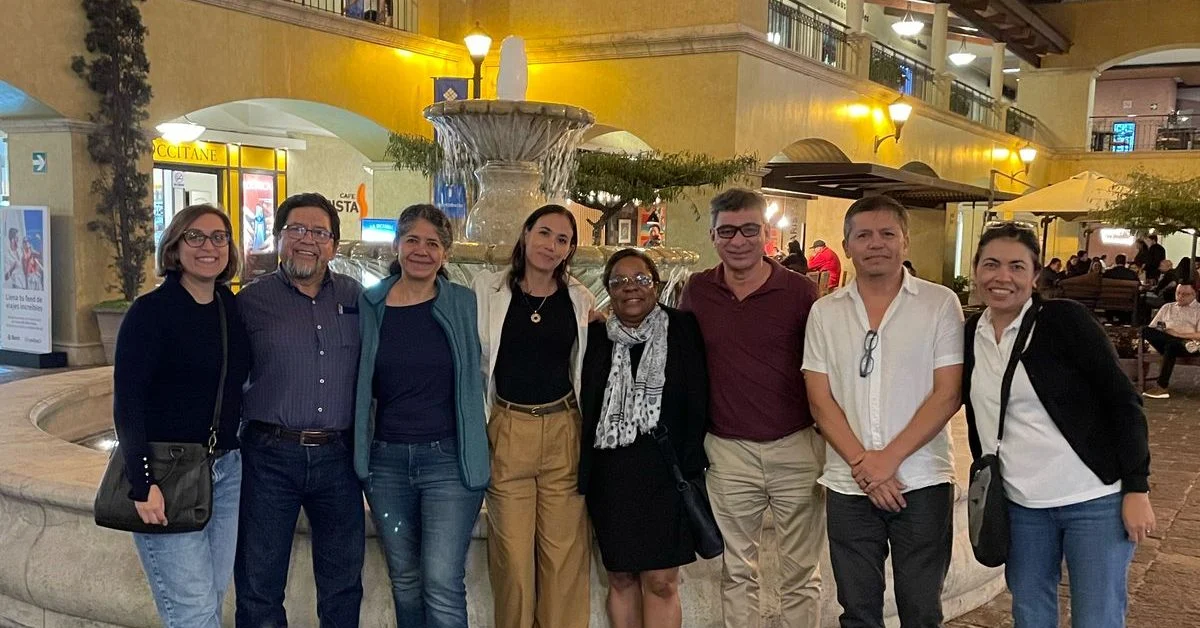
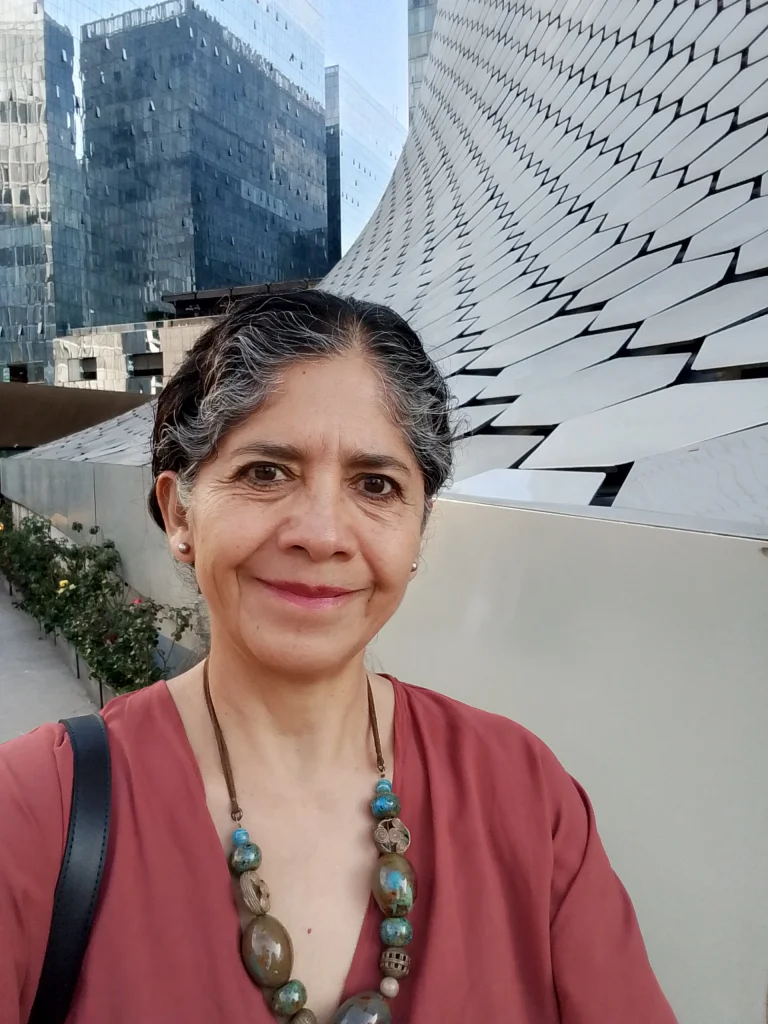
After 19 years of voluntary service on the Small Grants Program (SGP) Proposal Evaluation Committee, MAR Fund expresses its deep appreciation to Concepción Molina Islas for her commitment and valuable contribution to strengthening this program and, consequently, MAR Fund.
Over nearly two decades, Concepción dedicated her time, expertise, and professional judgment to evaluating project proposals submitted to the Small Grants Program. Together with the other members of the Committee, she contributed to ensuring transparent and rigorous selection processes aimed at supporting initiatives for the conservation and sustainable use of marine and coastal resources in the Mesoamerican Reef System (MAR).
 Her participation accompanied the Program through its first 18 calls for proposals, during which more than one hundred organizations had the opportunity to access funding to advance projects in conservation, sustainable management, community strengthening, and ecosystem protection in coastal and marine protected areas across Mexico, Belize, Guatemala, and Honduras.
Concepción has an extensive professional background in biodiversity conservation. She is an oceanographer, graduating with honors from the Autonomous University of Baja California, and holds a Master’s degree in Regional Studies in Environment and Development from Universidad Iberoamericana. For more than three decades, she has been dedicated to strategic planning, conservation financing, the management of protected natural areas, and fostering collaboration among civil society, the scientific community, and public policy.
Her experience includes key roles in organizations and institutions central to conservation efforts in Mexico, including Amigos de Sian Ka’an, the Mexican Fund for the Conservation of Nature, and currently, Fundación Carlos Slim, where she serves as General Coordinator of the Environment Program. This distinguished career brought strategic insight and valuable technical knowledge to the work of the SGP Proposal Evaluation Committee.
Concepción’s participation over these 19 years has been an example of commitment, generosity, and professional excellence. Her experience and dedication have significantly contributed to strengthening the Program, which has created opportunities for conservation and sustainable development in the Mesoamerican Reef System. —Elisa Blanda, Small Grants Program Officer.
For her part, Concepción shared about her experience:
“Collaborating with MAR Fund through the Committee has been a very enriching experience, ranging from the invaluable learning about initiatives across the four countries of the Mesoamerican Reef System, to the fruitful dialogue and exchange of ideas with exceptional colleagues.”
We deeply recognize and appreciate Concepción’s invaluable contribution to the Small Grants Program and to strengthening conservation in the Mesoamerican Reef System.
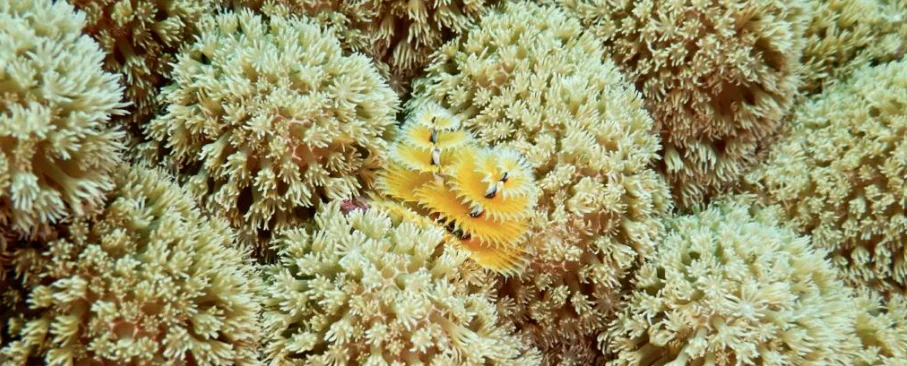
Photo: Juan Carlos Huitrón Baca
MAR Leadership at 15: Strengthening MAR Leaders through Collaboration and Innovation
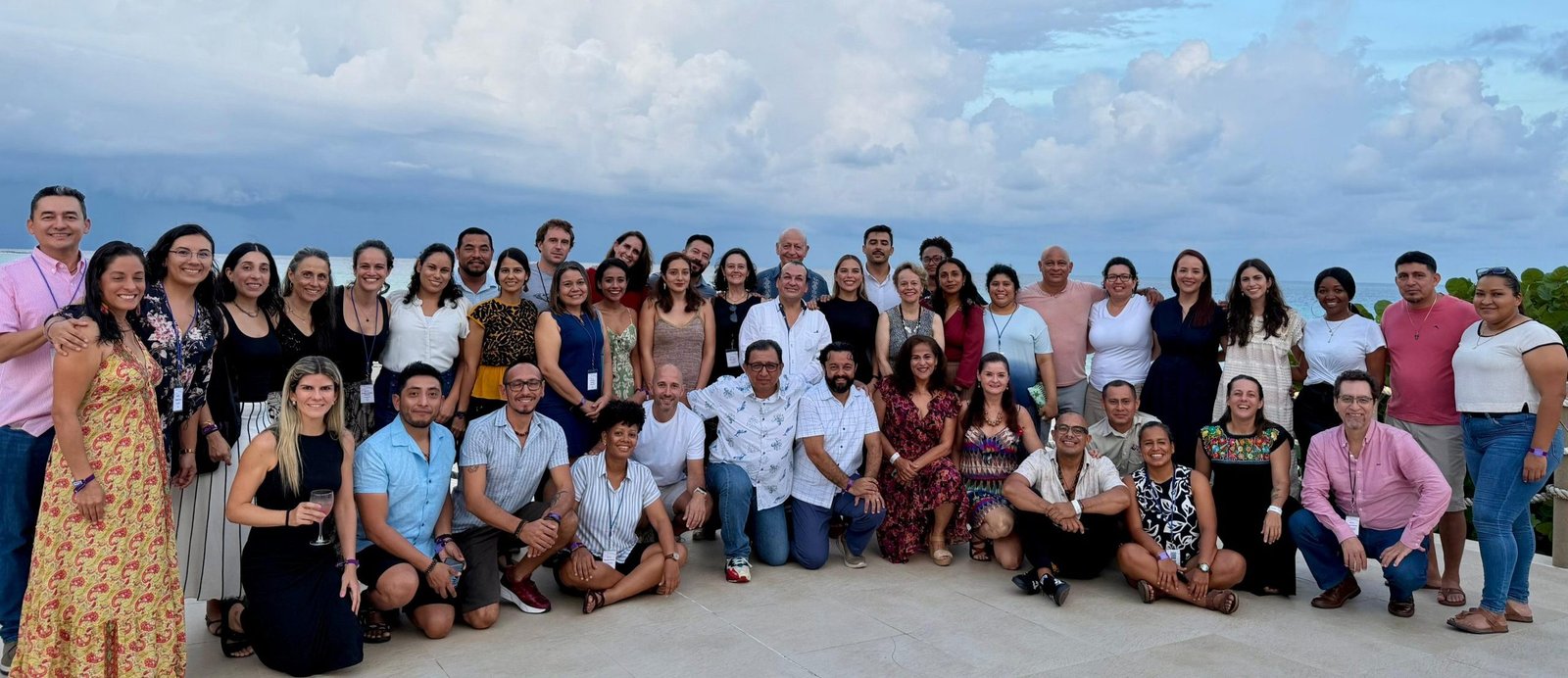
Photos: Sureste Sostenible
Sureste Sostenible successfully executed the project “MAR Leadership at 15: Strengthening MAR Leaders through Collaboration and Innovation” between April 1, 2025, and February 15, 2026, consolidating 15 years of regional leadership development and strengthening collaboration across the Mesoamerican Reef (MAR) region. Through strategic coordination, programmatic design, and effective resource management, Sureste Sostenible reinforced the MAR Leadership alum network by deepening collaboration, enhancing knowledge exchange, and catalyzing innovation.
A central milestone of the project was the 15th Anniversary Event, held in Cancún from October 20–22, 2025. The convening brought together 51 participants, including 41 alums representing 11 cohorts from Mexico, Belize, Guatemala, and Honduras. The diversity of generations, sectors, and nationalities created a dynamic space for intergenerational learning, peer exchange, and strategic reflection. Over three days, participants engaged in institutional retrospection, leadership development workshops, innovation panels, and structured networking sessions designed to foster trust-based collaboration and future joint action.
One of the project’s most significant achievements was the intentional creation of a collaborative space where alumni connected with scientists, technologists, conservation practitioners, and institutional leaders to foster technological and social innovation. During the session “Towards 2030: MAR Leadership and the 30×30 Agenda,” participants worked in cross-country groups to analyze three strategic pillars: equitable governance and the rights of local communities, sustainable and innovative financing models, and ecological connectivity and landscape restoration. This participatory dynamic enabled leaders to move beyond reflection toward actionable contributions that strengthen conservation management from a territorial, inclusive, and long-term perspective.
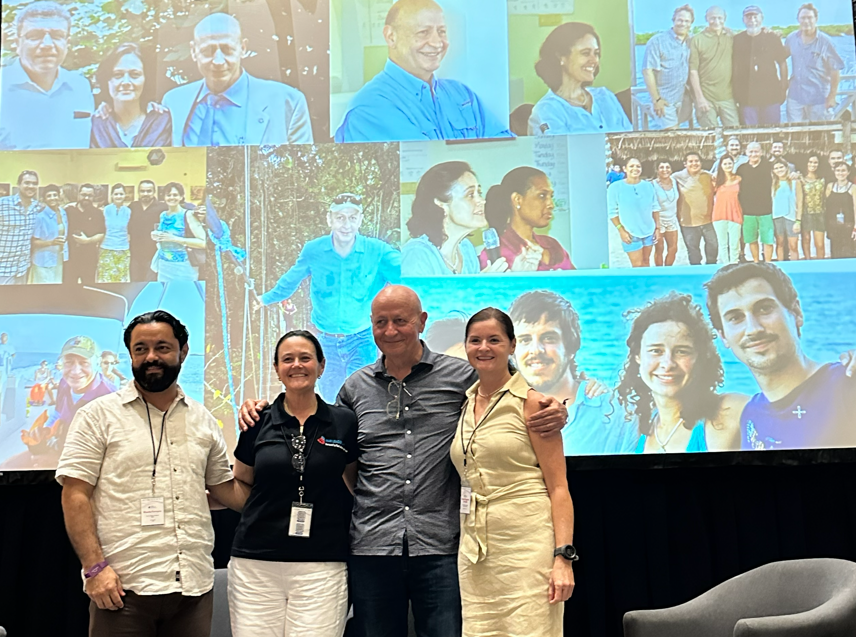
Panel participants “MAR Leadership: A Story of Impact”: Vicente Ferreyra, María José Gonzalez, Lorenzo Rosenzweig, and Maria Eugenia Arreola
Under the governance pillar, participants identified mechanisms to enhance effective participation of local and Indigenous communities, including prior consultation processes, co-management schemes, recognition of community norms, integration of traditional ecological knowledge, and the application of social and environmental safeguards aligned with international reference frameworks. In the financing discussions, alumni explored blended finance models, public-private partnerships, conservation funds, payments for ecosystem services, carbon credits, and community-based productive initiatives linked to sustainable tourism. Within the ecological connectivity theme, strategies were proposed to integrate marine and terrestrial conservation through watershed and landscape approaches, strengthen biological and cultural corridors, restore degraded areas, and articulate protected areas and community territories more effectively.
Complementing this strategic workshop, the panel on Technology and Innovation for MAR Conservation further expanded the innovation lens by showcasing applied tools, including coral reef monitoring technologies, transboundary species tracking, and private-sector-driven solutions to reduce single-use plastics. By connecting science, technology, governance, and market-based solutions, the project strengthened the alumni network’s capacity to drive cross-sector innovation and develop practical pathways for reef conservation and restoration.
The event generated more than 94 new alliances and collaborative connections across five thematic areas: marine conservation and reef restoration, sustainable tourism, environmental education and community development, institutional strengthening, and cross-border initiatives. These alliances emerged through structured networking, thematic dialogue, territorial mapping exercises, and informal exchanges. The design intentionally combined strategic dialogue with personal leadership reflection, creating the conditions for meaningful, trust-based partnerships.
Participant feedback confirmed the effectiveness of the convening, reflecting high satisfaction regarding agenda relevance, facilitation quality, and the value of peer exchange. Storytelling, communication strategy sessions, and the “Towards 2030” workshop were particularly highlighted as transformative in aligning individual leadership trajectories with long-term regional conservation goals.
Beyond the event itself, the project has already catalyzed follow-up collaboration. A concrete example is the emerging partnership to co-design the Mesoamerican Reef Local Leaders Summit, which aims to engage mayors and coastal authorities across the four MAR countries. This initiative seeks to translate environmental commitments into practical local governance action and scale successful solutions regionally.
Overall, through the project’s effective execution, Sureste Sostenible strengthened the MAR Leadership alumni network as a vibrant regional community of practice. The initiative reinforced cross-border collaboration, fostered technological and social innovation, elevated alumni as regional ambassadors, and positioned the network to continue driving conservation impact, policy influence, and sustainable economic solutions for the long-term health of the Mesoamerican Reef and the communities that depend on it.
Growing Future Ocean Guardians: Youth Leadership and Community Action Strengthen Conservation in Northern Belize
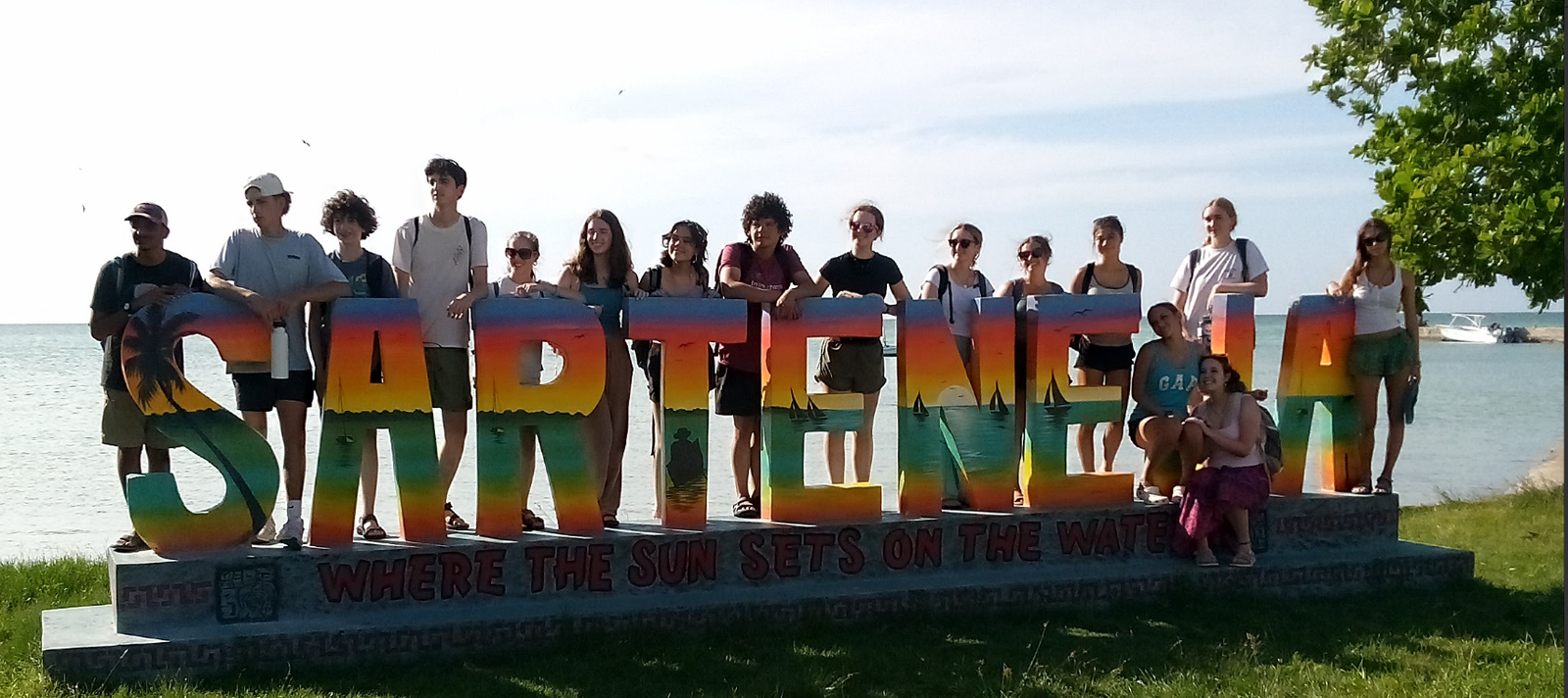
Photos: Sarteneja Alliance for Conservation and Development
Author: Mr. Samuel Barrett
In the coastal village of Sarteneja in Northern Belize, a new generation of conservation leaders is emerging. Through hands-on education, community engagement, and sustainable tourism, the Sarteneja Alliance for Conservation and Development (SACD) is strengthening the protection of the Corozal Bay Wildlife Sanctuary (CBWS) while empowering local youth and communities to become long-term stewards of their natural resources.
Supported through the project “Addressing specific recommendations for the effective management of Corozal Bay Wildlife Sanctuary,” SACD implemented a series of initiatives designed to reinforce protected area governance, engage stakeholders, and improve financial sustainability for conservation efforts.
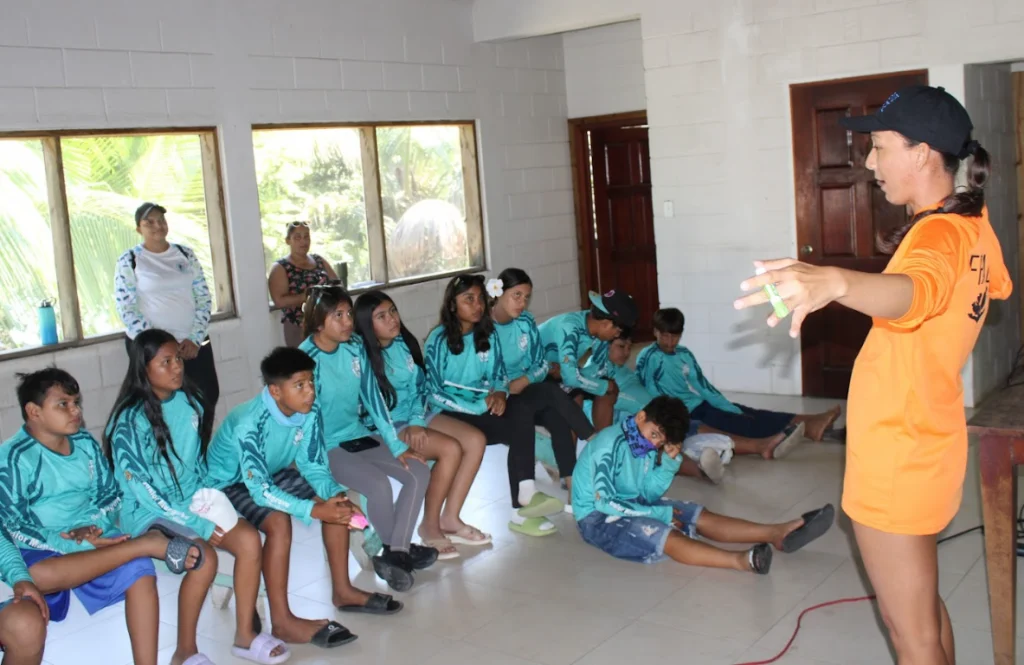
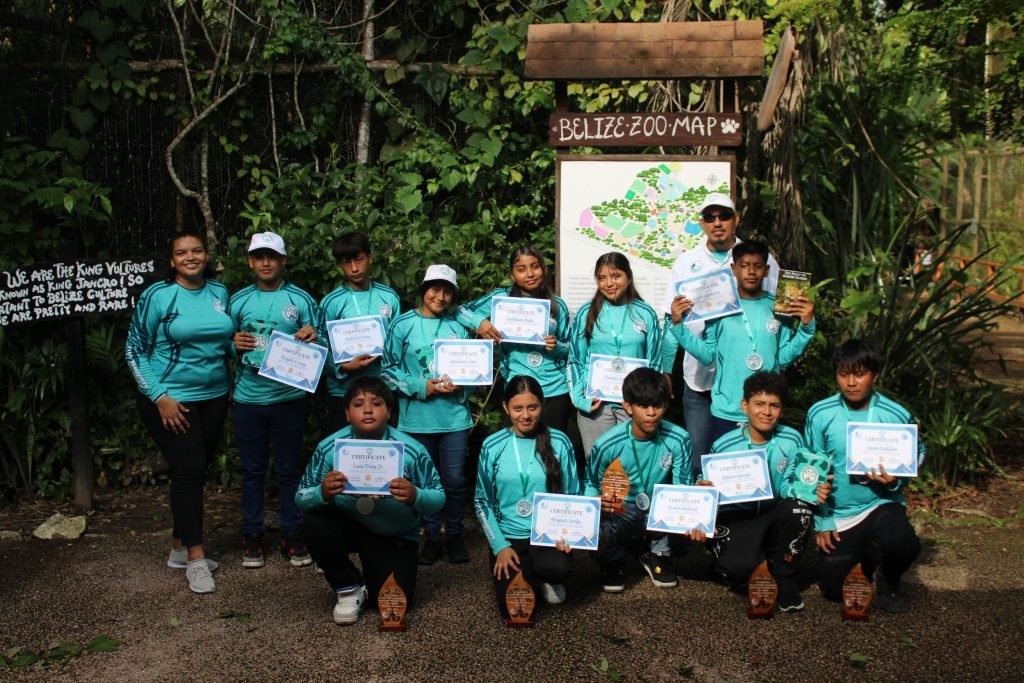
One of the project’s most inspiring outcomes was the launch of the Junior Mangrove Guardians (JMG), a youth conservation program designed to connect students with the ecosystems and species that define Belize’s northern seascape. Twelve students from Sarteneja joined the inaugural cohort, participating in monthly learning sessions led by conservation organizations, researchers, and government agencies.
Students explored topics such as manatee conservation, shark ecology, mangrove ecosystems, and marine protected areas, learning directly from national conservation experts. Classroom lessons were complemented by experiential field activities that allowed participants to observe wildlife and understand how conservation efforts function in practice.
A Knowledge, Attitudes, and Practices (KAP) evaluation conducted before and after the program demonstrated significant improvements across all indicators. Knowledge scores increased from 73% to 83%, attitudes toward conservation rose to nearly 98%, and reported conservation practices increased from 67% to more than 93%. These results highlight the strong potential of youth-focused education programs to build long-term environmental stewardship in coastal communities.
The project also strengthened governance and stakeholder collaboration within CBWS. Regular meetings of the Corozal Bay Advisory Committee (CBAC) and SACD’s Board of Directors helped maintain transparent decision-making and active participation from fishers, community leaders, and conservation partners.
At the same time, SACD expanded its innovative conservation financing approach through Corozal Bay EcoAdventures (CBEA), hosting five international student expeditions and creating employment opportunities for local residents and supporting ongoing conservation work.
These combined efforts contributed to measurable improvements in protected area management. The Management Effectiveness Evaluation (MEE), developed internally, for CBWS increased from 89.3% to 91.8%, reflecting progress in community engagement, management planning, and financial sustainability.
By strengthening governance, empowering youth, and creating sustainable financing mechanisms, SACD is helping ensure that the ecosystems of Corozal Bay Wildlife Sanctuary remain protected for generations to come.
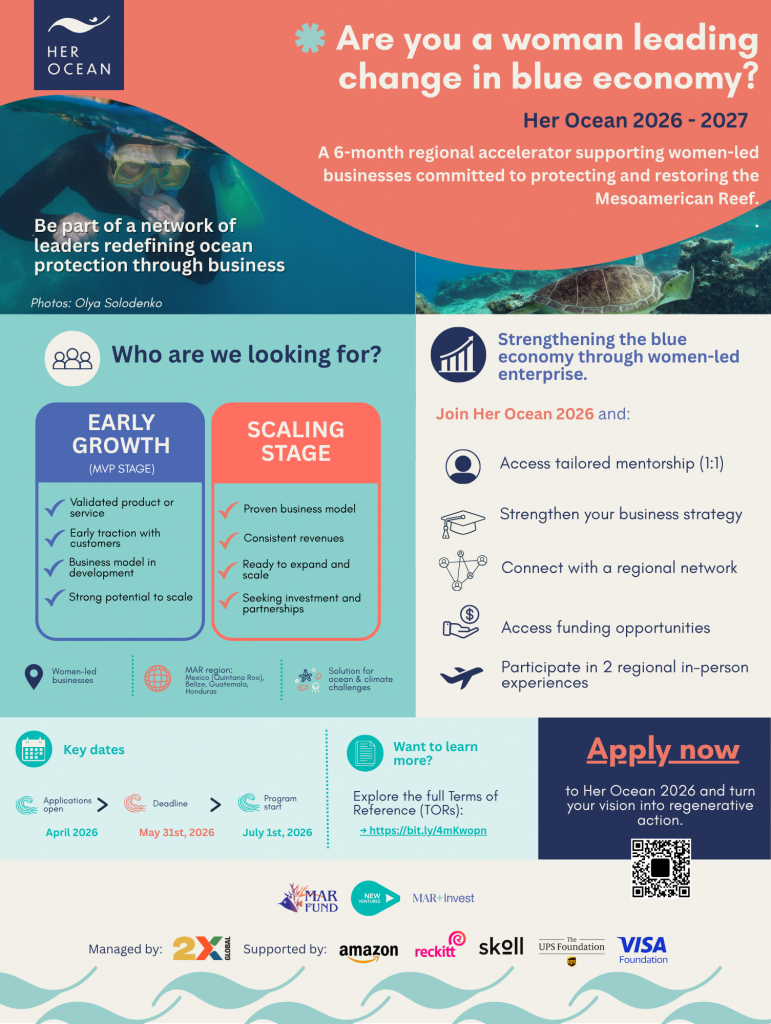
Join Her Ocean Accelerator 2026–2027!